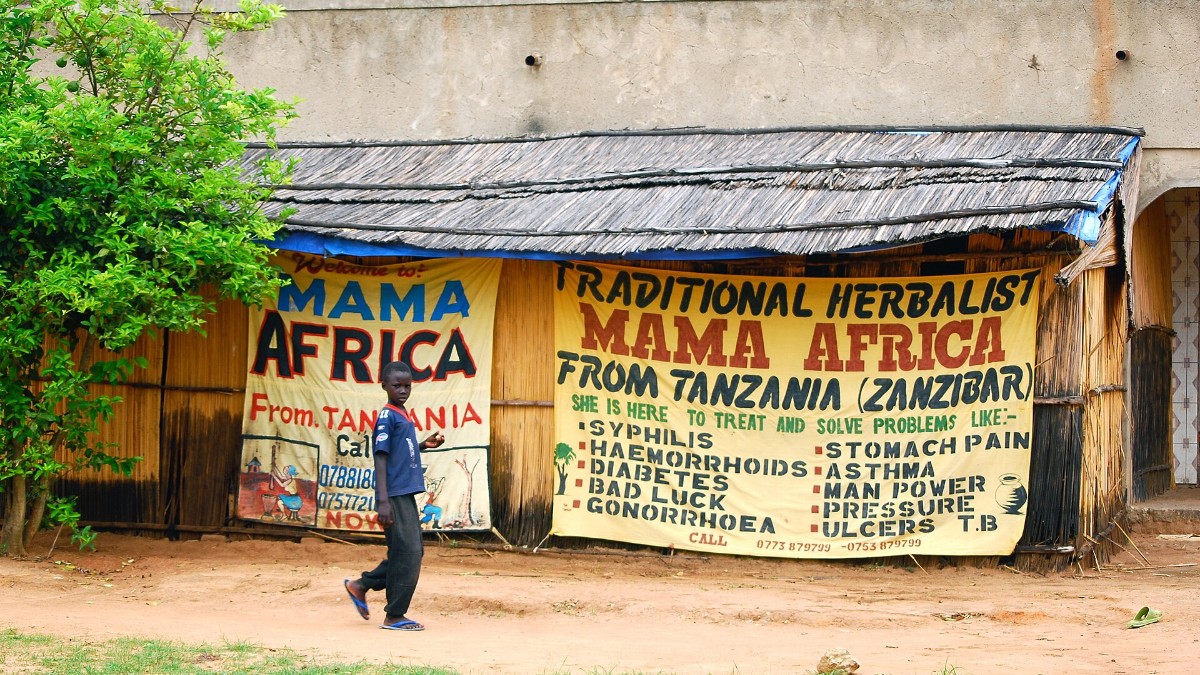
Photo: Africraigs / Wikimedia Commons, CC BY-SA 4.0
Listen to this article2 min listenAI voice
Tap play to hear this story
You are listening to Kibra News Network.
Tanzania: Healers Cleared to Own Govt Wildlife Trophies.
The Tanzania Wildlife Management Authority has begun implementing a directive by President Samia Suluhu Hassan allowing traditional healers to legally own government wildlife trophies used in their practices, Daily News reports.
Background
Wildlife trophies held by a state authority are usually items seized from poachers or recovered from animals that died naturally, and they are held under strict controls because any legal channel for them creates a laundering risk for illegally taken specimens. Allowing a category of user to own such items lawfully requires a registration and traceability system robust enough to distinguish a permitted piece from a poached one, and international scrutiny under the CITES framework follows any such change.
Why it matters here
Kenya has taken the opposite position for decades, symbolised by its ivory burns and by some of the region's strictest wildlife legislation. Because East African wildlife populations and trafficking routes cross borders, a change in one country's rules affects enforcement in its neighbours, and Kenyan authorities have consistently argued that any legal domestic market complicates policing at the border.
What to watch next
How the registration and traceability system is designed, what CITES and conservation organisations say, and whether Kenya responds on the cross-border enforcement question.
This story was put together by K N N from material first published by AllAfrica.
That was a Kibra News Network report, read by an A I voice.
The Tanzania Wildlife Management Authority has begun implementing a directive by President Samia Suluhu Hassan allowing traditional healers to legally own government wildlife trophies used in their practices, Daily News reports.
Background
Wildlife trophies held by a state authority are usually items seized from poachers or recovered from animals that died naturally, and they are held under strict controls because any legal channel for them creates a laundering risk for illegally taken specimens. Allowing a category of user to own such items lawfully requires a registration and traceability system robust enough to distinguish a permitted piece from a poached one, and international scrutiny under the CITES framework follows any such change.
Why it matters here
Kenya has taken the opposite position for decades, symbolised by its ivory burns and by some of the region’s strictest wildlife legislation. Because East African wildlife populations and trafficking routes cross borders, a change in one country’s rules affects enforcement in its neighbours, and Kenyan authorities have consistently argued that any legal domestic market complicates policing at the border.
What to watch next
How the registration and traceability system is designed, what CITES and conservation organisations say, and whether Kenya responds on the cross-border enforcement question.