You are listening to Kibra News Network.
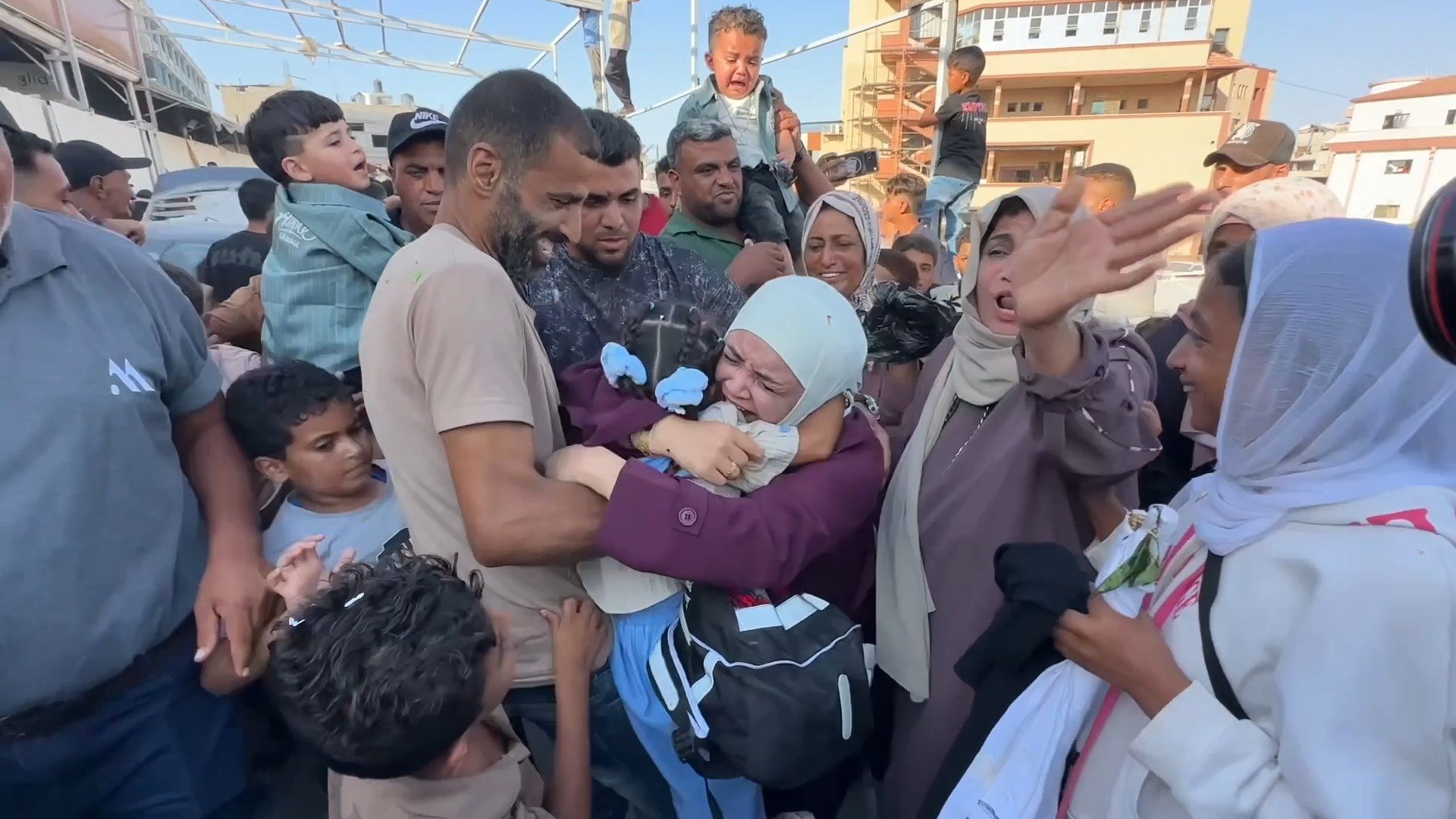
Palestinian patients return to Gaza as thousands still await evacuation.
Palestinian patients who had been receiving medical treatment abroad have returned to Gaza, reuniting with relatives after years of separation, Al Jazeera reports.
Background
Medical evacuation from a conflict zone creates a second problem after the first is solved: return. Patients moved abroad for treatment are often separated from their families for long periods, their permission to remain is tied to a treatment plan, and going home depends on crossings being open and on a functioning facility existing at the other end. The waiting list for evacuation is typically far longer than the number of transfers actually made, which is why both figures are usually reported together.
Why it matters here
Kenya knows the referral version of this. Patients from across the country and the wider region travel to Nairobi for treatment that is unavailable at home, and families are separated by distance and by cost for months at a time. In Kibra, the equivalent barrier is smaller in scale but the same in kind: a referral letter is not the same as the fare, the accompanying adult, and the deposit at the receiving hospital.
What to watch next
How many of those still waiting are moved, whether crossings remain open, and what capacity exists at the facilities patients are returning to.
This story was put together by K N N from material first published by Al Jazeera.
That was a Kibra News Network report, read by an A I voice.
Palestinian patients who had been receiving medical treatment abroad have returned to Gaza, reuniting with relatives after years of separation, Al Jazeera reports.
Background
Medical evacuation from a conflict zone creates a second problem after the first is solved: return. Patients moved abroad for treatment are often separated from their families for long periods, their permission to remain is tied to a treatment plan, and going home depends on crossings being open and on a functioning facility existing at the other end. The waiting list for evacuation is typically far longer than the number of transfers actually made, which is why both figures are usually reported together.
Why it matters here
Kenya knows the referral version of this. Patients from across the country and the wider region travel to Nairobi for treatment that is unavailable at home, and families are separated by distance and by cost for months at a time. In Kibra, the equivalent barrier is smaller in scale but the same in kind: a referral letter is not the same as the fare, the accompanying adult, and the deposit at the receiving hospital.
What to watch next
How many of those still waiting are moved, whether crossings remain open, and what capacity exists at the facilities patients are returning to.