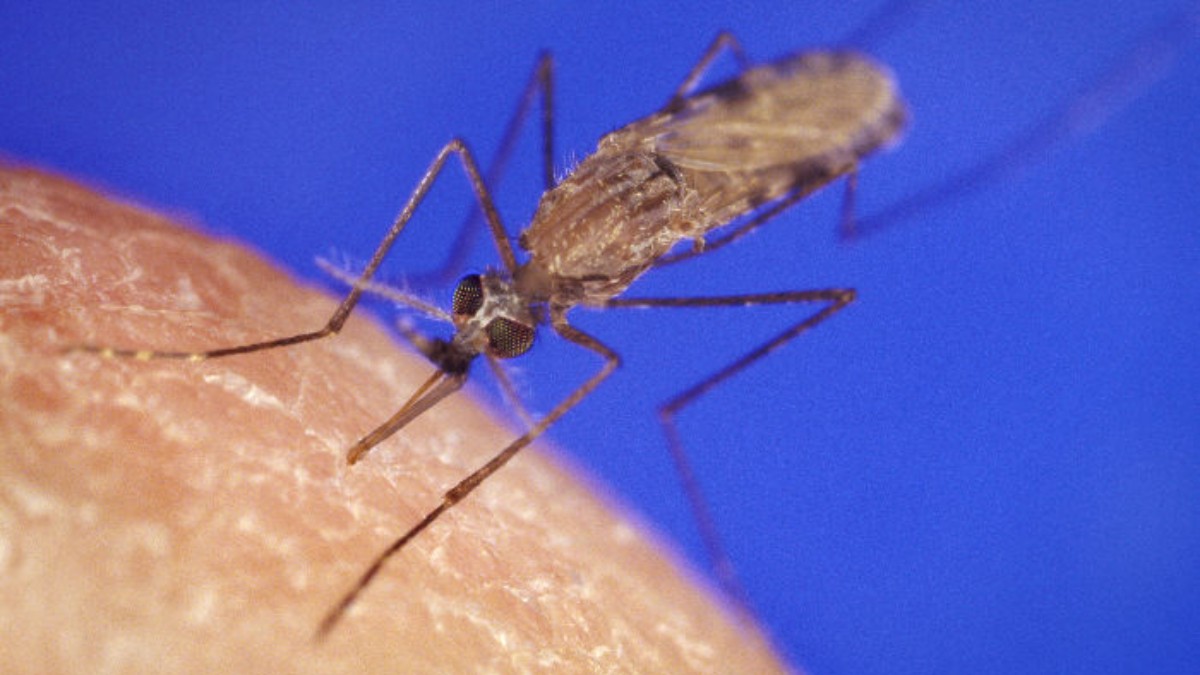
Photo: James D. Gathany / Wikimedia Commons, Public domain
Listen to this article2 min listenAI voice
Tap play to hear this story
You are listening to Kibra News Network.
Scientists identify shared targets that could unlock a universal malaria vaccine.
Scientists have reported a discovery that could reshape the fight against malaria – one of the diseases that weighs most heavily on Africa. A team led by Brandon Wilder at Oregon Health & Science University's Vaccine and Gene Therapy Institute, working with partners in Brazil, identified malaria protein fragments presented by HLA-E, an immune-system component that is nearly identical in every human. The findings were published in the journal Nature.
Crucially, the same targets appeared across multiple malaria parasite species from both South America and Africa, and are recognised during the liver stage of infection – before symptoms appear. Because they rely on T-cell immunity rather than the antibodies that current vaccines depend on, this approach could, in principle, offer protection lasting years rather than requiring frequent boosters.
For a continent where malaria still kills hundreds of thousands of people every year, most of them young children, the prospect of a durable, broadly effective vaccine is enormous. The research is early and years of testing lie ahead, but it points toward a future in which one of humanity's oldest and deadliest diseases might finally be brought to heel.
Health context: this is early-stage research, not an available vaccine.
This story was put together by K N N from material first published by OHSU News & Nature.
That was a Kibra News Network report, read by an A I voice.
Scientists have reported a discovery that could reshape the fight against malaria — one of the diseases that weighs most heavily on Africa. A team led by Brandon Wilder at Oregon Health & Science University’s Vaccine and Gene Therapy Institute, working with partners in Brazil, identified malaria protein fragments presented by HLA-E, an immune-system component that is nearly identical in every human. The findings were published in the journal Nature.
Crucially, the same targets appeared across multiple malaria parasite species from both South America and Africa, and are recognised during the liver stage of infection — before symptoms appear. Because they rely on T-cell immunity rather than the antibodies that current vaccines depend on, this approach could, in principle, offer protection lasting years rather than requiring frequent boosters.
For a continent where malaria still kills hundreds of thousands of people every year, most of them young children, the prospect of a durable, broadly effective vaccine is enormous. The research is early and years of testing lie ahead, but it points toward a future in which one of humanity’s oldest and deadliest diseases might finally be brought to heel.
Health context: this is early-stage research, not an available vaccine.