You are listening to Kibra News Network.
DR Congo puts its geological data under state control.
The Democratic Republic of Congo is pulling its geological data into a national databank, giving the state a firmer grip on information about the minerals under its soil.
The work sits on a $180 million contract with Spain's Xcalibur, which started in January. The survey covers more than 700,000 square kilometres using airborne geophysics, and the databank is meant to be fully running by the end of the year.
Access will be tiered. Basic geological information stays free, while the more sensitive datasets will carry a fee, and requests will be weighed against what investors need and what the country calls its strategic interests.
"The data generated under these programmes constitute a strategic asset of the Congolese state," said Raoul Wazenga Vitima, director general of the National Geological Survey of Congo.
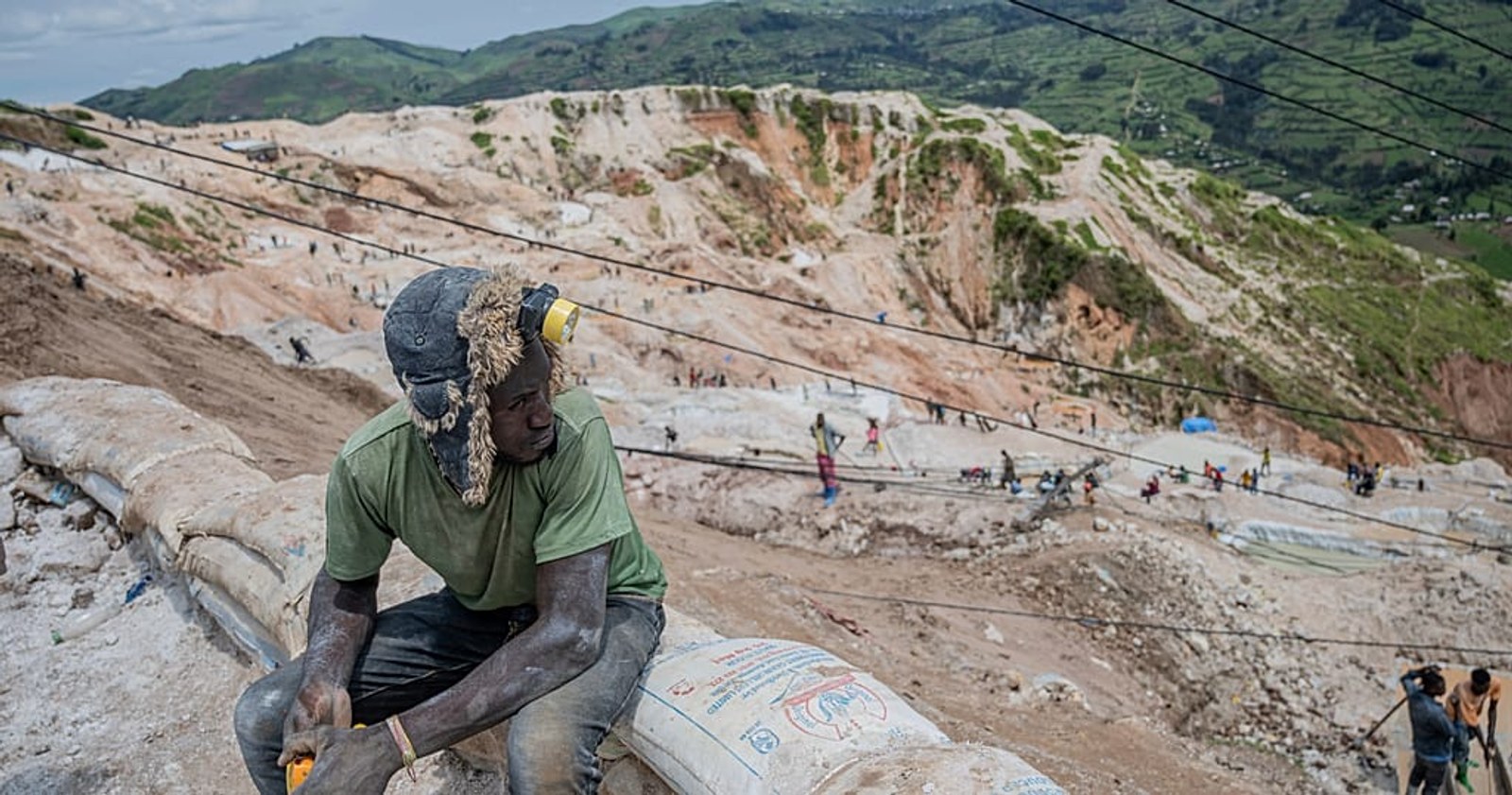
The minerals in question are copper, cobalt, lithium, tantalum and gold. The DRC holds more than half the world's cobalt reserves – about 6 million tonnes – and is the second largest supplier of copper.
Only about 20 per cent of the country has been systematically explored, and the move lands in the middle of a hard contest between the United States and China for critical minerals.
This story was put together by K N N from material first published by Sowetan.
That was a Kibra News Network report, read by an A I voice.
The Democratic Republic of Congo is pulling its geological data into a national databank, giving the state a firmer grip on information about the minerals under its soil.
The work sits on a $180 million contract with Spain’s Xcalibur, which started in January. The survey covers more than 700,000 square kilometres using airborne geophysics, and the databank is meant to be fully running by the end of the year.
Access will be tiered. Basic geological information stays free, while the more sensitive datasets will carry a fee, and requests will be weighed against what investors need and what the country calls its strategic interests.
“The data generated under these programmes constitute a strategic asset of the Congolese state,” said Raoul Wazenga Vitima, director general of the National Geological Survey of Congo.
The minerals in question are copper, cobalt, lithium, tantalum and gold. The DRC holds more than half the world’s cobalt reserves — about 6 million tonnes — and is the second largest supplier of copper.
Only about 20 per cent of the country has been systematically explored, and the move lands in the middle of a hard contest between the United States and China for critical minerals.
KNN Newsroom is the staff byline for stories written, rewritten and edited at the Kibra News Network desk. Where a story credits an outside outlet, the original source is linked at the foot of the piece.