


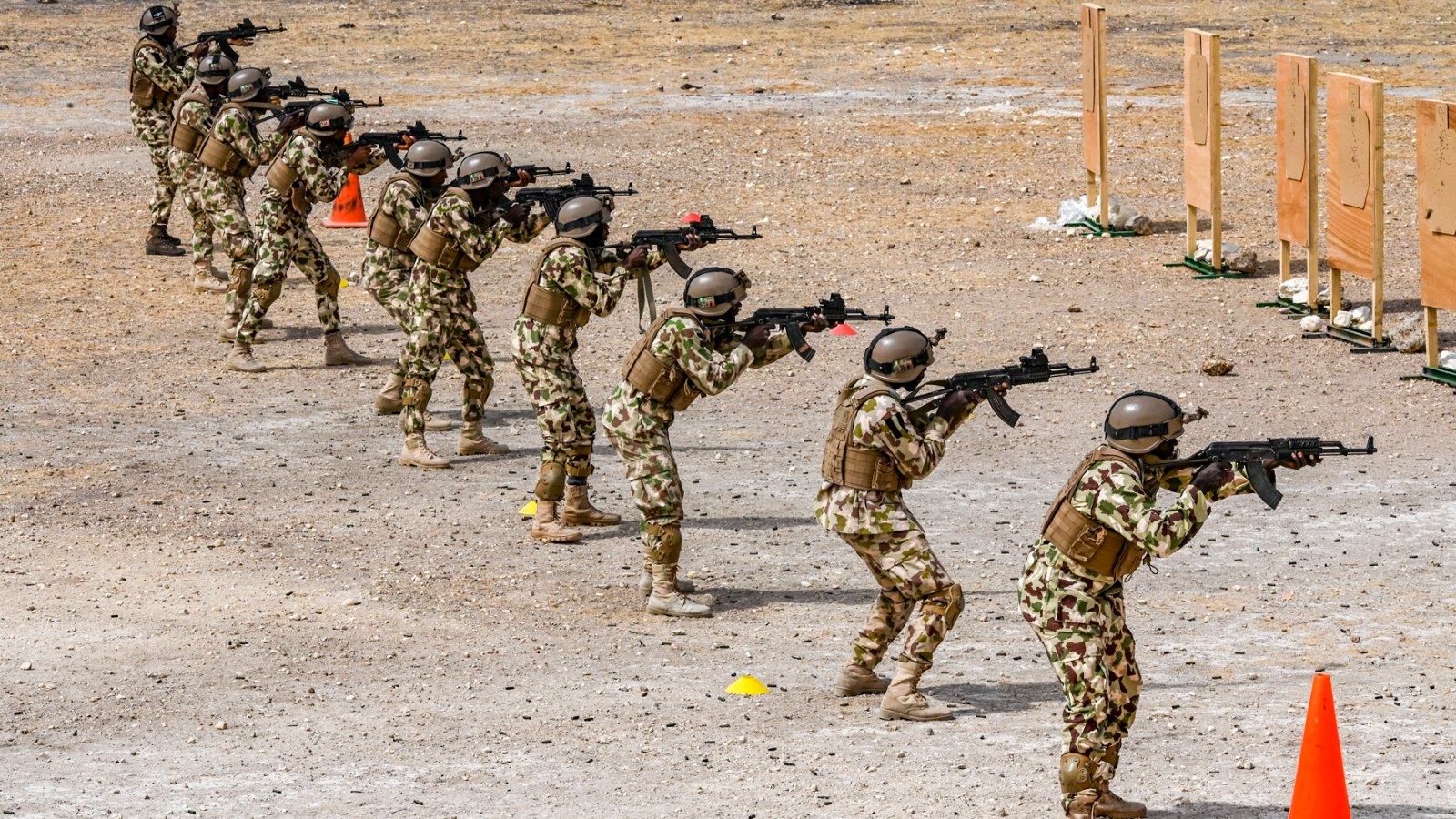
Nigeria’s government says the rescue is the country’s largest single-day operation by joint security forces.
Why mass abduction persists
Kidnapping for ransom in parts of northern Nigeria has become an organised economy rather than an isolated crime. Armed groups take large numbers of people at once, often from schools or rural roads, because the numbers create political pressure and because payment has too often followed. Communities are left negotiating for relatives while security forces are stretched across several fronts.
A single day rescue of hundreds of people is significant, and it does not by itself change the arithmetic that makes the trade profitable.
What happens after a rescue
The part that receives the least attention is the aftercare. People released from captivity need medical treatment, food, documentation, help getting home and, for children, a route back into school. Where that support is missing, the harm continues long after the headlines end, and families that paid ransom are often left in debt.
The credible measure of any operation is therefore not the announcement, but what is provided in the weeks that follow.
Why we run this story
KNN carries African stories that explain something about the systems we live under too. Nigeria’s experience is a study in what happens when policing capacity thins out in rural areas and communities are left to buy their own safety, a warning that applies wherever the state’s presence is uneven.
It is also a reminder that reporting on abductions responsibly means naming victims only with consent and never publishing details that endanger people still held.
What we are watching
Independent confirmation of the numbers, what support the released receive, and whether anyone is prosecuted.
Read the full report at BBC News
Source: BBC News


