



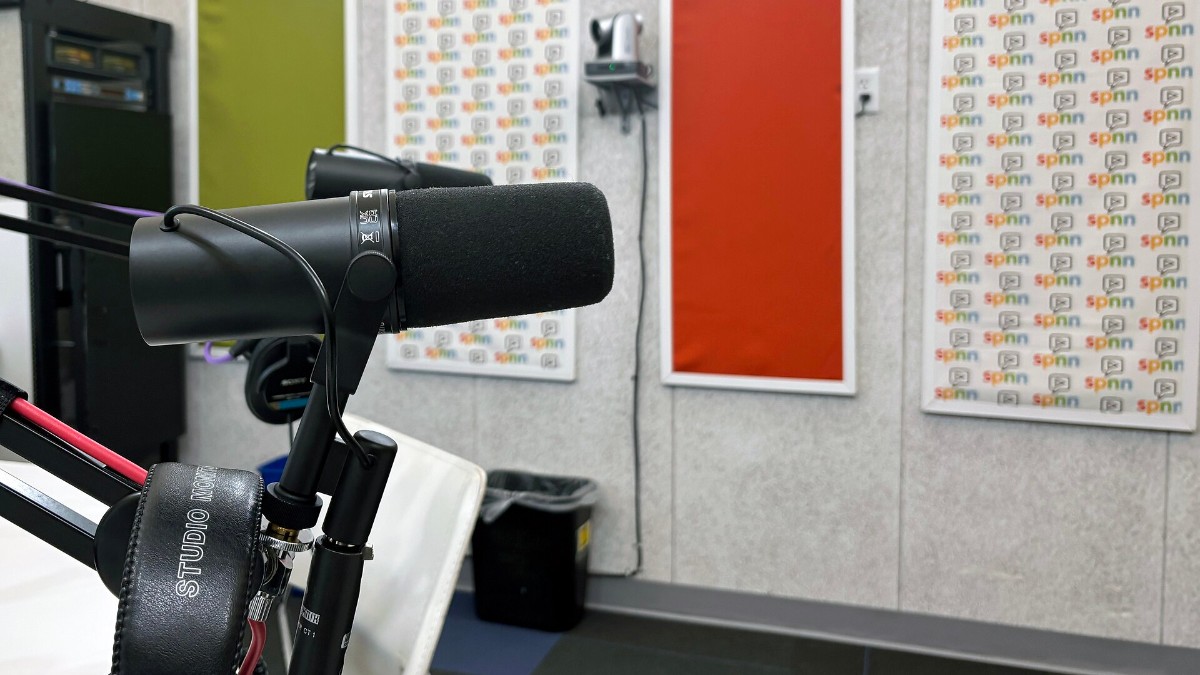
The singer, who last released a full album in 2016, is in the studio and “cooking”, her partner said.
A long gap and a large audience
A decade without a studio album is unusual for an artist of that scale, and the interval has been filled with business rather than music. It is a useful reminder of where the money in the industry now sits: in brand ownership, touring and catalogue rights rather than in album sales.
Talk of studio sessions from a partner is not a release date, and record companies rarely confirm anything until a schedule is set.
What the streaming economy pays
The global market rewards scale. Streaming royalties are divided per stream, and for the overwhelming majority of artists the per stream figure is a fraction of a cent, which means the earnings are in live performance, publishing and sync deals. That structure is why a star can dominate playlists and still make most of her income elsewhere.
For Kenyan artists the same maths is harsher, because local streaming volumes are small and collection of royalties has been contested for years.
The Kibra angle
This ward produces music constantly, in gengetone, gospel and Afro fusion, recorded in bedroom studios on borrowed equipment and released straight to phones. The gap between that and a career is almost entirely administrative: registering with a collecting society, splitting credits in writing before release, keeping the master files, and getting distribution rather than uploading to a friend’s channel.
KNN plans to publish a practical guide for artists here on registration, splits and distribution. If you record in Kibra, tell us what you need explained.
What we are watching
Whether a release is actually announced, and closer to home, whether Kenyan collecting societies pay out on time this year.
Read the full report at BBC News
Source: BBC News