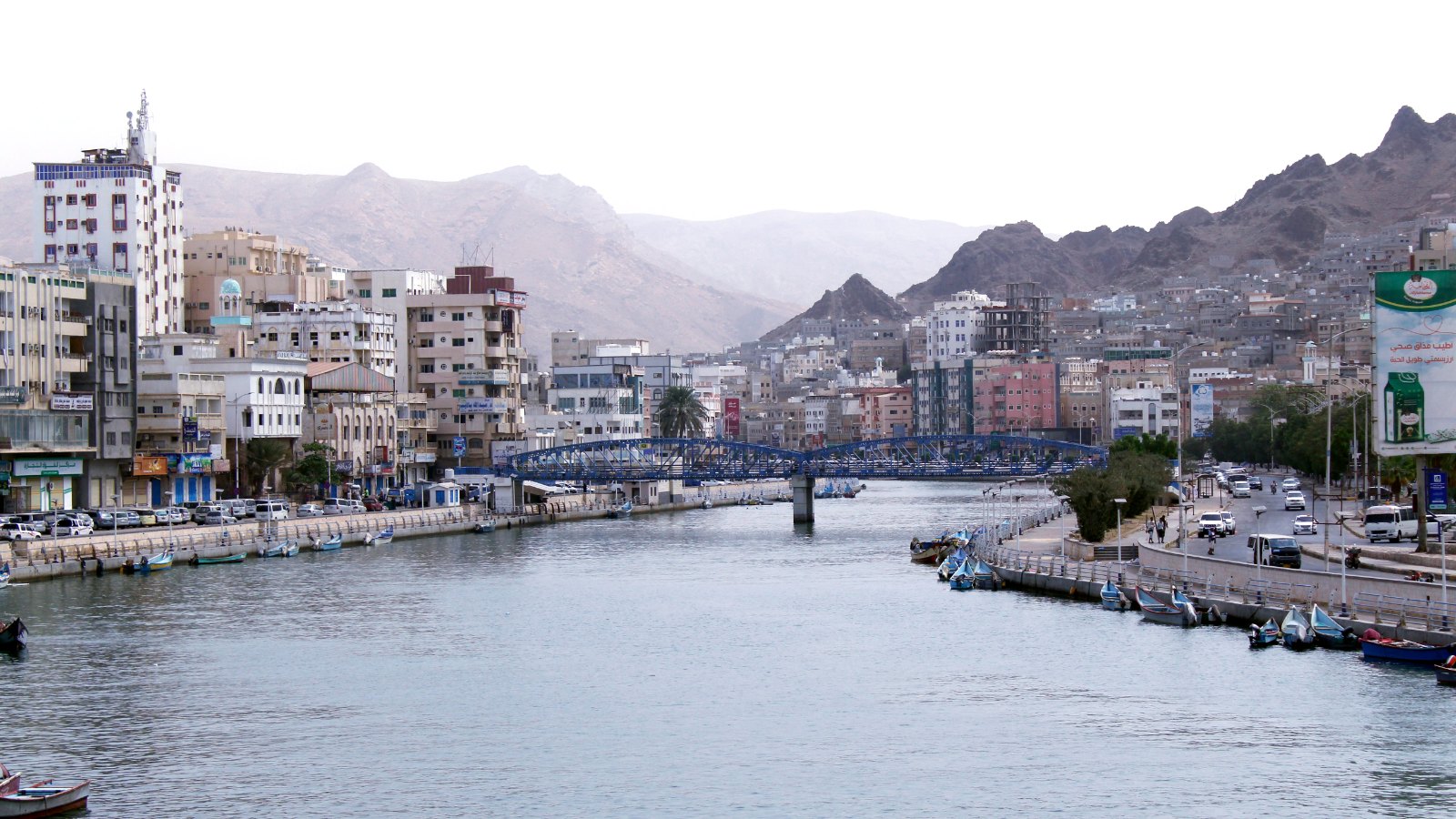
Boats sit on the water at Mukalla on Yemen’s southern coast. Al-Baldah, a short annual spell of mild weather, fills the city’s beaches and lifts local trade. Photo: Mohammed Omar Al-Aidaroos/Wikimedia Commons (CC BY-SA 4.0)
Listen to this article2 min listenAI voice
Tap play to hear this story
You are listening to Kibra News Network.
The yearly mild weather spell that brings Yemen’s coast back to life.
Mukalla, on Yemen's southern coast, is in the middle of Al-Baldah, the short annual spell of mild weather that fills the city's beaches and delivers a rare economic lift, Al Jazeera reports.
Background
Al-Baldah is one of the seasonal markers in the traditional Arabian star calendar, used along the Yemeni and Gulf coasts to time fishing, planting and travel long before meteorological forecasting existed. Calendars of this kind encode generations of observation about when the monsoon winds slacken and the sea becomes workable, and they remain in daily use in coastal communities because they are practical rather than ceremonial.
Why it matters here
Kenya's own coast runs on the same logic and, historically, on the same monsoon system that connected Mombasa, Lamu and the Arabian peninsula for centuries. Kenyan fishers still time their seasons by the kaskazi and kusi winds, and Swahili coastal culture carries the vocabulary of that exchange. A story about a Yemeni seasonal calendar is, from Kenya, a story about the other end of a very old shared network.
What to watch next
Whether the season delivers what coastal businesses expect, and what it means for fishing and local trade this year.
This story was put together by K N N from material first published by Al Jazeera.
That was a Kibra News Network report, read by an A I voice.
Mukalla, on Yemen’s southern coast, is in the middle of Al-Baldah, the short annual spell of mild weather that fills the city’s beaches and delivers a rare economic lift, Al Jazeera reports.
Background
Al-Baldah is one of the seasonal markers in the traditional Arabian star calendar, used along the Yemeni and Gulf coasts to time fishing, planting and travel long before meteorological forecasting existed. Calendars of this kind encode generations of observation about when the monsoon winds slacken and the sea becomes workable, and they remain in daily use in coastal communities because they are practical rather than ceremonial.
Why it matters here
Kenya’s own coast runs on the same logic and, historically, on the same monsoon system that connected Mombasa, Lamu and the Arabian peninsula for centuries. Kenyan fishers still time their seasons by the kaskazi and kusi winds, and Swahili coastal culture carries the vocabulary of that exchange. A story about a Yemeni seasonal calendar is, from Kenya, a story about the other end of a very old shared network.
What to watch next
Whether the season delivers what coastal businesses expect, and what it means for fishing and local trade this year.