



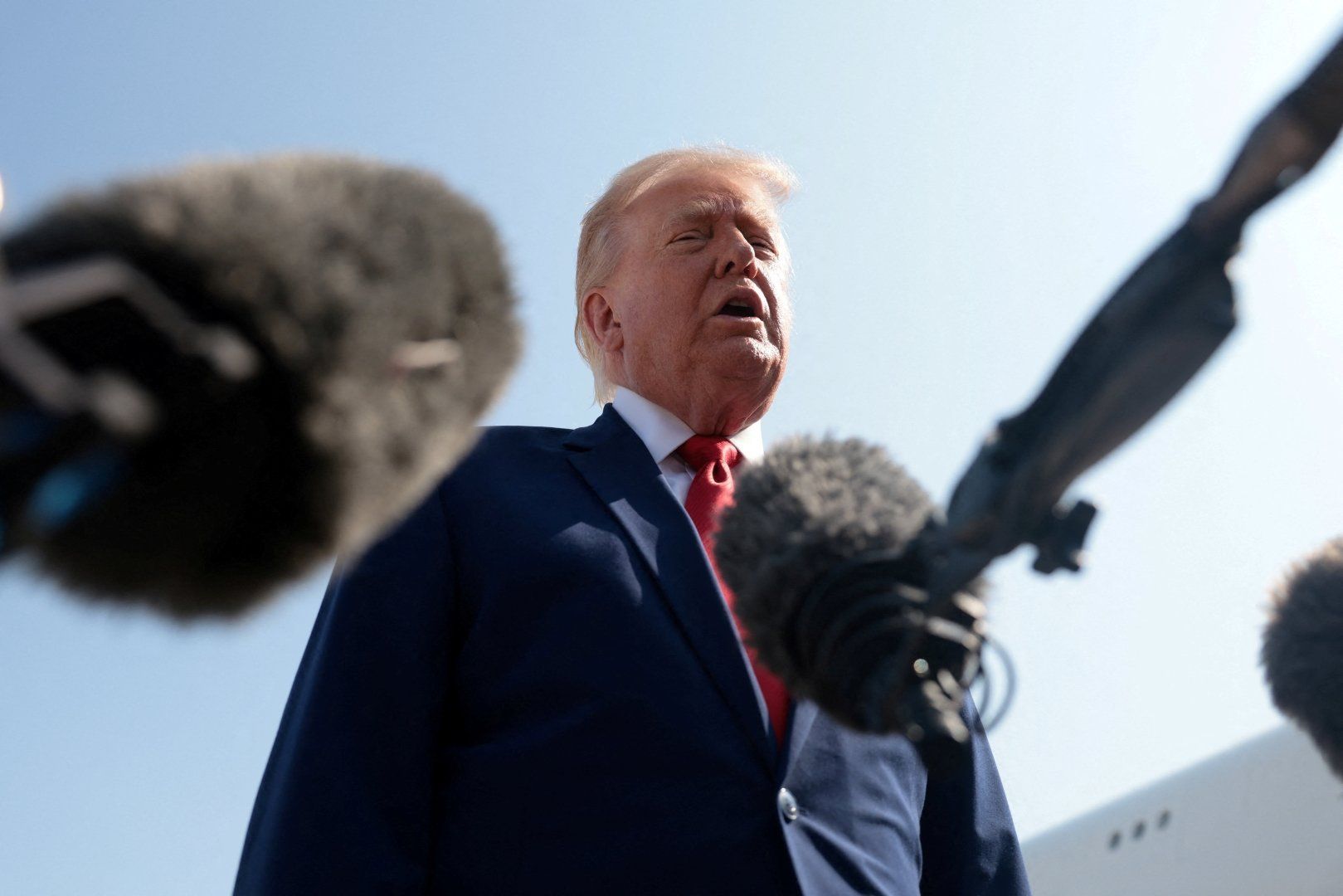
President Trump is looking to reframe the Iran war ahead of the 2026 midterm elections in November.
Wars and domestic politics
American presidents have rarely been rewarded for long conflicts. The pattern in US politics is that military action produces a short rally in support followed by a slow erosion, driven less by foreign policy argument than by prices, casualties and the sense that the end is not defined. With midterm elections in November, every decision about escalation is also a decision about the ballot.
That is the frame this analysis uses, and it is worth reading as a piece of political forecasting rather than as reporting from the region.
The transmission line to Kenya
Conflict in the Gulf reaches Kenyan households through fuel. The country imports refined products largely from Gulf refineries, and disruption or higher insurance premiums move the monthly price review, which moves matatu fares, cooking gas, pumped water and the cost of food trucked into the markets.
There are other channels. Kenyan seafarers work the routes affected, Kenyan traders import through the same lanes, and remittances from the Gulf are a significant income for many families here.
What we would rather report
Analysis of an American president’s legacy is abundant. What is scarce is reporting on what a distant war costs a household in Kibra, and who is supposed to cushion it. That is the local version of this story, and it runs through the fuel price review, the food basket and the fare boards on Ngong Road.
We will keep publishing those numbers alongside the geopolitics.
What we are watching
The next Kenyan fuel price review, any effect on Gulf remittances, and whether Kenyan workers in the affected states are given consular guidance.
Read the full report at Al Jazeera – Breaking News, World News and Video from Al Jazeera
Source: Al Jazeera – Breaking News, World News and Video from Al Jazeera