You are listening to Kibra News Network.
Palestine weekly: Israel kills dozens in Gaza after Hamas disarmament deal.
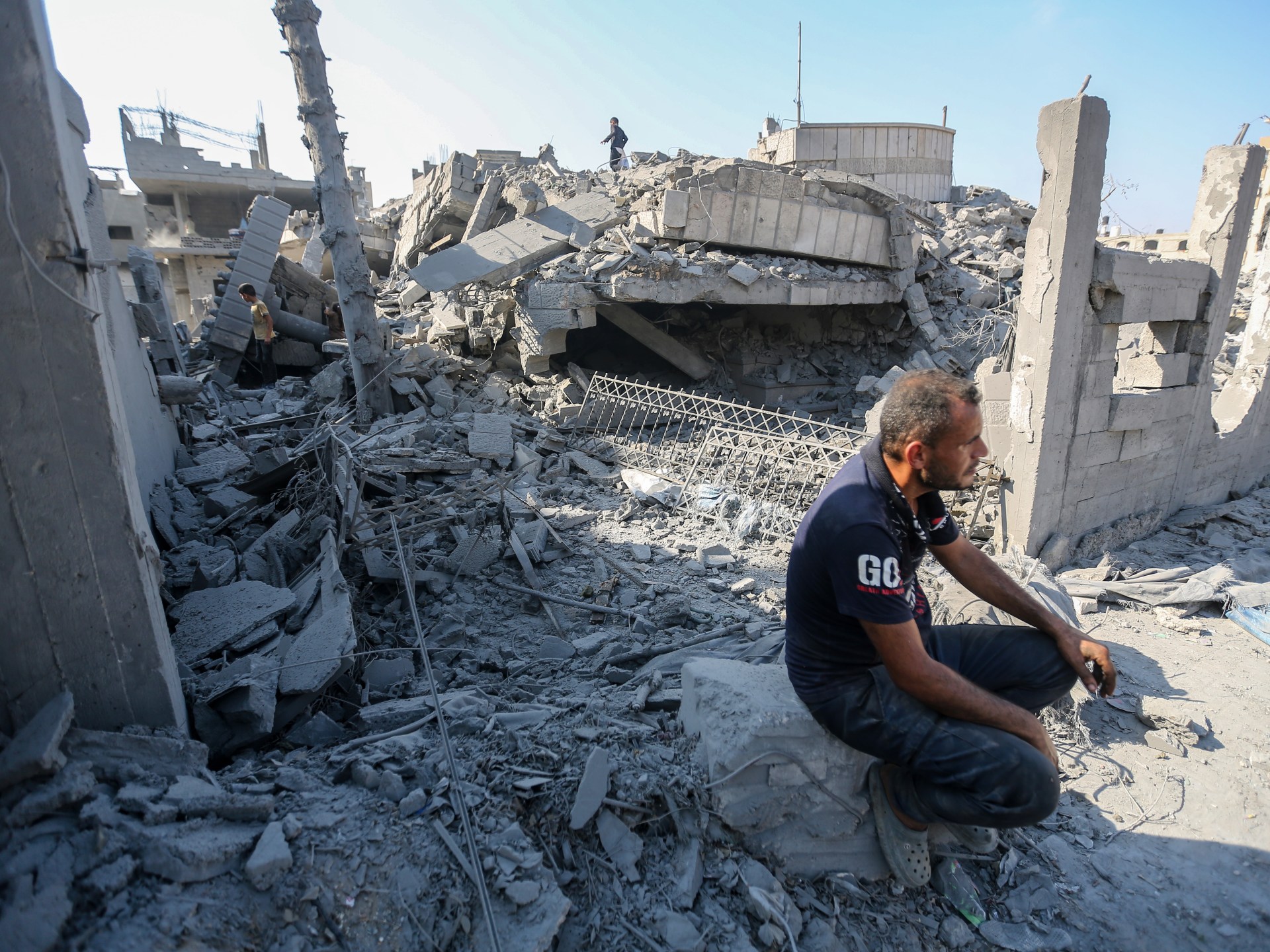
Israeli strikes on Gaza intensified in the days following a US-brokered agreement on Hamas disarmament that had been billed as a breakthrough, with dozens of people killed, Al Jazeera reports.
Background
Disarmament provisions are among the hardest parts of any negotiated settlement to implement, because they require an armed group to give up its leverage before the political undertakings it has been given are delivered. Agreements of this kind typically break down over sequencing and verification: who disarms first, who confirms it, and what happens if either side judges the other to be in breach. Violence in the days after a signing is common enough that mediators build monitoring mechanisms in from the start.
Why it matters here
Kenya has a direct diplomatic interest as an elected voice in African and multilateral forums, and Kenyans follow the conflict closely for religious and political reasons. There is also a domestic parallel worth noticing. Kenya's own peace agreements, from the 2008 settlement onwards, have shown that the implementation and verification machinery, rather than the signing ceremony, is what determines whether an agreement holds.
What to watch next
Whether the agreement survives, what monitoring or verification arrangements exist, and what the humanitarian access position is.
This story was put together by K N N from material first published by Al Jazeera.
That was a Kibra News Network report, read by an A I voice.
Israeli strikes on Gaza intensified in the days following a US-brokered agreement on Hamas disarmament that had been billed as a breakthrough, with dozens of people killed, Al Jazeera reports.
Background
Disarmament provisions are among the hardest parts of any negotiated settlement to implement, because they require an armed group to give up its leverage before the political undertakings it has been given are delivered. Agreements of this kind typically break down over sequencing and verification: who disarms first, who confirms it, and what happens if either side judges the other to be in breach. Violence in the days after a signing is common enough that mediators build monitoring mechanisms in from the start.
Why it matters here
Kenya has a direct diplomatic interest as an elected voice in African and multilateral forums, and Kenyans follow the conflict closely for religious and political reasons. There is also a domestic parallel worth noticing. Kenya’s own peace agreements, from the 2008 settlement onwards, have shown that the implementation and verification machinery, rather than the signing ceremony, is what determines whether an agreement holds.
What to watch next
Whether the agreement survives, what monitoring or verification arrangements exist, and what the humanitarian access position is.
KNN Newsroom is the staff byline for stories written, rewritten and edited at the Kibra News Network desk. Where a story credits an outside outlet, the original source is linked at the foot of the piece.