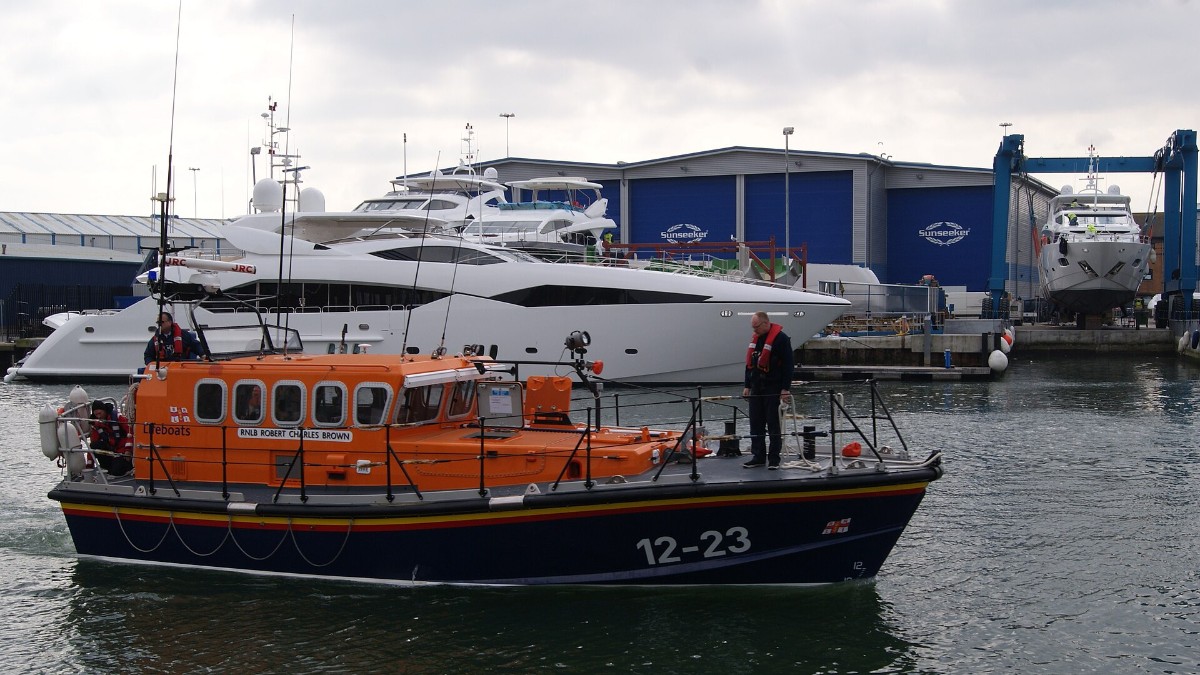
Photo: Peter Elsdon / Wikimedia Commons, CC BY-SA 2.0
Listen to this article2 min listenAI voice
Tap play to hear this story
You are listening to Kibra News Network.
More than 150 migrants rescued after boat catches fire in Channel.
More than 170 people were rescued in the Channel on Tuesday morning after the engine of a small boat carrying them towards England caught fire. The French maritime prefecture initially put the number at 157 and later revised it to 173.
Background
Small boat crossings of the Channel are dangerous for structural reasons: overloaded inflatables, no navigation equipment, fuel carried in open containers, and a busy shipping lane. Engine fires are a recurring cause of distress calls, and rescues on this scale involve coordination between French and British services under maritime law that obliges any vessel to assist. The politics of the crossing regularly overshadows the fact that the rescue obligation is not discretionary.
Why it matters here
Kenya sits on other parts of the same global migration system. Kenyans travel for work through the Gulf, the country hosts one of Africa's largest refugee populations, and East African routes north through Sudan and Libya carry their own toll. The people who attempt a Channel crossing have usually already survived a longer and less visible journey, parts of which begin in this region.
What to watch next
Whether everyone on board is accounted for, what the two governments say about the rescue, and whether the incident changes the policing arrangement on the crossing.
This story was put together by K N N from material first published by BBC News.
That was a Kibra News Network report, read by an A I voice.
More than 170 people were rescued in the Channel on Tuesday morning after the engine of a small boat carrying them towards England caught fire. The French maritime prefecture initially put the number at 157 and later revised it to 173.
Background
Small boat crossings of the Channel are dangerous for structural reasons: overloaded inflatables, no navigation equipment, fuel carried in open containers, and a busy shipping lane. Engine fires are a recurring cause of distress calls, and rescues on this scale involve coordination between French and British services under maritime law that obliges any vessel to assist. The politics of the crossing regularly overshadows the fact that the rescue obligation is not discretionary.
Why it matters here
Kenya sits on other parts of the same global migration system. Kenyans travel for work through the Gulf, the country hosts one of Africa’s largest refugee populations, and East African routes north through Sudan and Libya carry their own toll. The people who attempt a Channel crossing have usually already survived a longer and less visible journey, parts of which begin in this region.
What to watch next
Whether everyone on board is accounted for, what the two governments say about the rescue, and whether the incident changes the policing arrangement on the crossing.
KNN Newsroom is the staff byline for stories written, rewritten and edited at the Kibra News Network desk. Where a story credits an outside outlet, the original source is linked at the foot of the piece.