


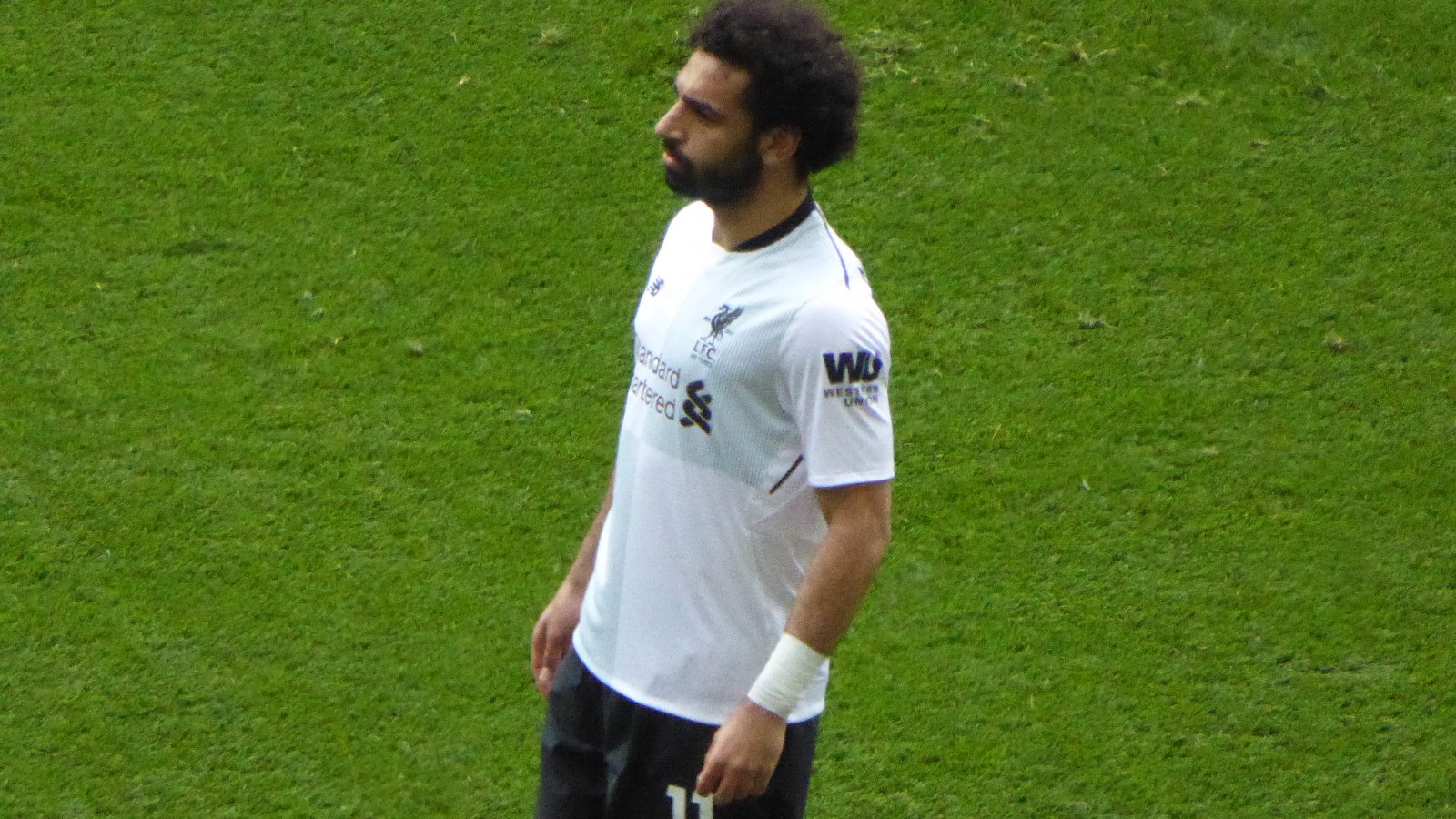
Turkish club Trabzonspor are set to confirm the signing of Egypt captain and former Liverpool forward Mohamed Salah.
What the move says about the market
The late career path for elite African players has changed. Where the destination used to be a smaller European club, it is now often Turkey, the Gulf or North Africa, where clubs can pay well and the football calendar allows for continental commitments. For a player who has carried a national team for a decade, the calculation is money, minutes and being fit for the next Africa Cup of Nations.
For Egypt, a captain moving to a league with a lighter physical load is usually good news in a tournament year.
The pathway underneath the transfer
Every transfer of this size sits on top of a system that found the player at fourteen and kept him in organised football. That is the part Kenya has never built properly. Scouting exists, academies exist, and the connective tissue between a ward team and a professional contract does not.
The result is that Kenyan talent is exported late, cheaply, or not at all, while the same young players are entirely available to the betting market from the age of eighteen.
The Kibra angle
In this ward the transfer is watched on a phone in a screening den, and the lesson taken from it is that football can be a living. That is true, and the route runs through licensed clubs, registered age group teams and school competitions rather than through trials advertised on social media, which are frequently a fee collection scheme.
KNN has reported on the clubs and pitches in Kibra and on what is missing between under 17 football and a contract.
What we are watching
Confirmation of the deal and its length, and whether any Kenyan club learns anything from how the transfer market actually works.
Read the full report at BBC News
Source: BBC News


