



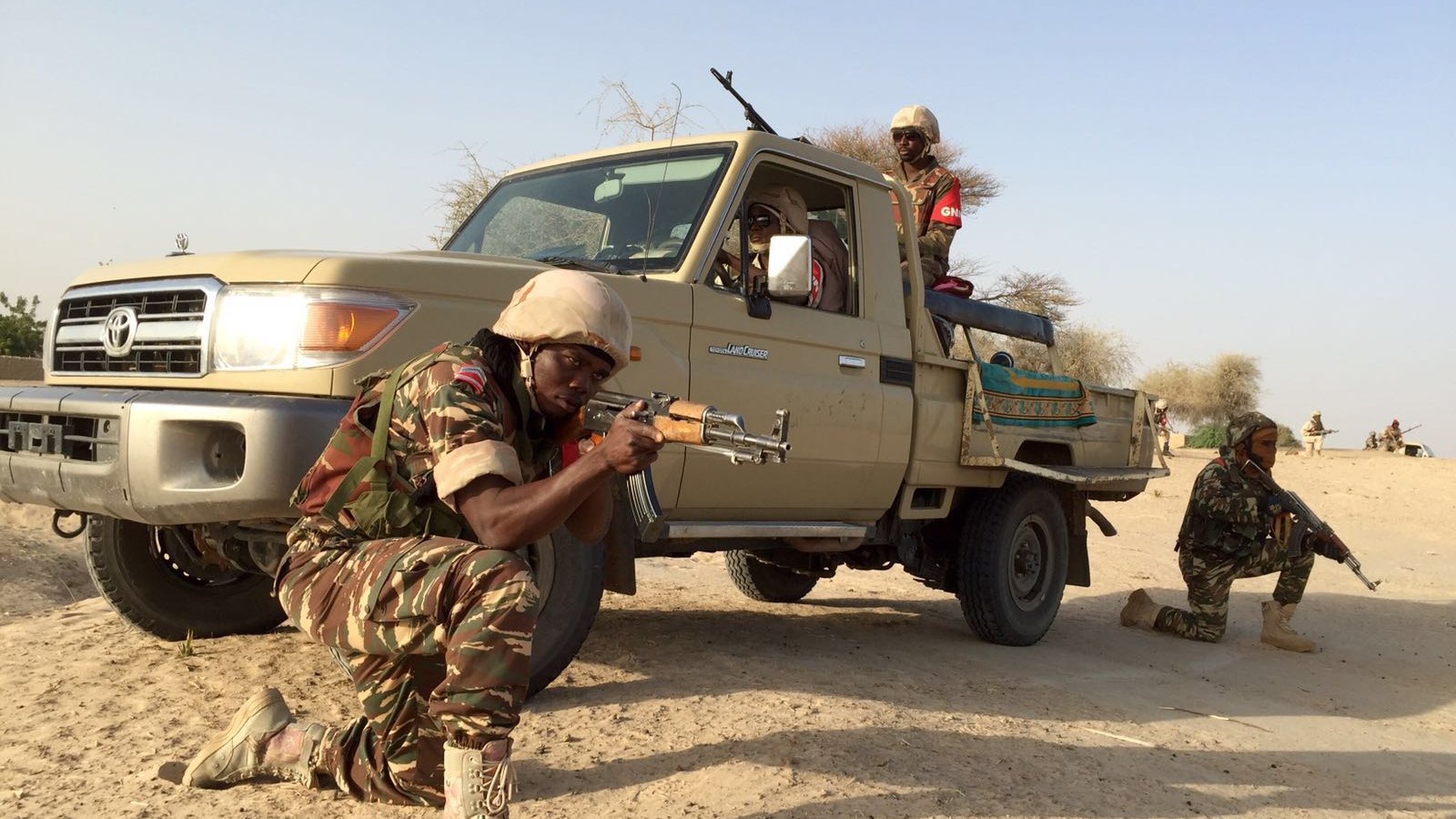
The announcement comes as Nigeria’s security forces struggle to contain multiple threats.
Why pay is a security policy
Armies fight on their pay slips. When junior ranks are underpaid while deployed against armed groups, the effects are predictable: desertion, informal levies on civilians, equipment sold, and difficulty recruiting anyone with options. A large rise for junior soldiers is an attempt to fix a discipline and retention problem, not a gesture.
The other half of the same problem is equipment, medical care and pensions for the wounded, which cost more than salaries and are harder to announce.
The fiscal catch
Salary increases are permanent and they compound. Once granted they are almost impossible to reverse, and they cascade through the ranks as senior grades demand that differentials be restored. Where the increase is announced without a funding line, it is usually paid for later by cutting capital spending or by borrowing.
The measure to watch is not the percentage. It is whether the new figure appears in the appropriation and reaches accounts on time for a full year.
Why Kenyan readers should care
Kenya runs the same argument in a different uniform. Police and prison officers’ pay, housing and allowances are reviewed periodically, and the complaints from junior ranks are strikingly similar: the allowance that never arrives, the housing that is uninhabitable, the medical cover that does not cover.
Residents of wards like Kibra deal with the consequences at close range, because a badly paid officer is more likely to be an extortionate one.
What we are watching
Whether the increase is funded in the budget, how it flows through the other ranks, and whether it changes anything measurable in the areas where soldiers are deployed.
Read the full report at BBC News
Source: BBC News









