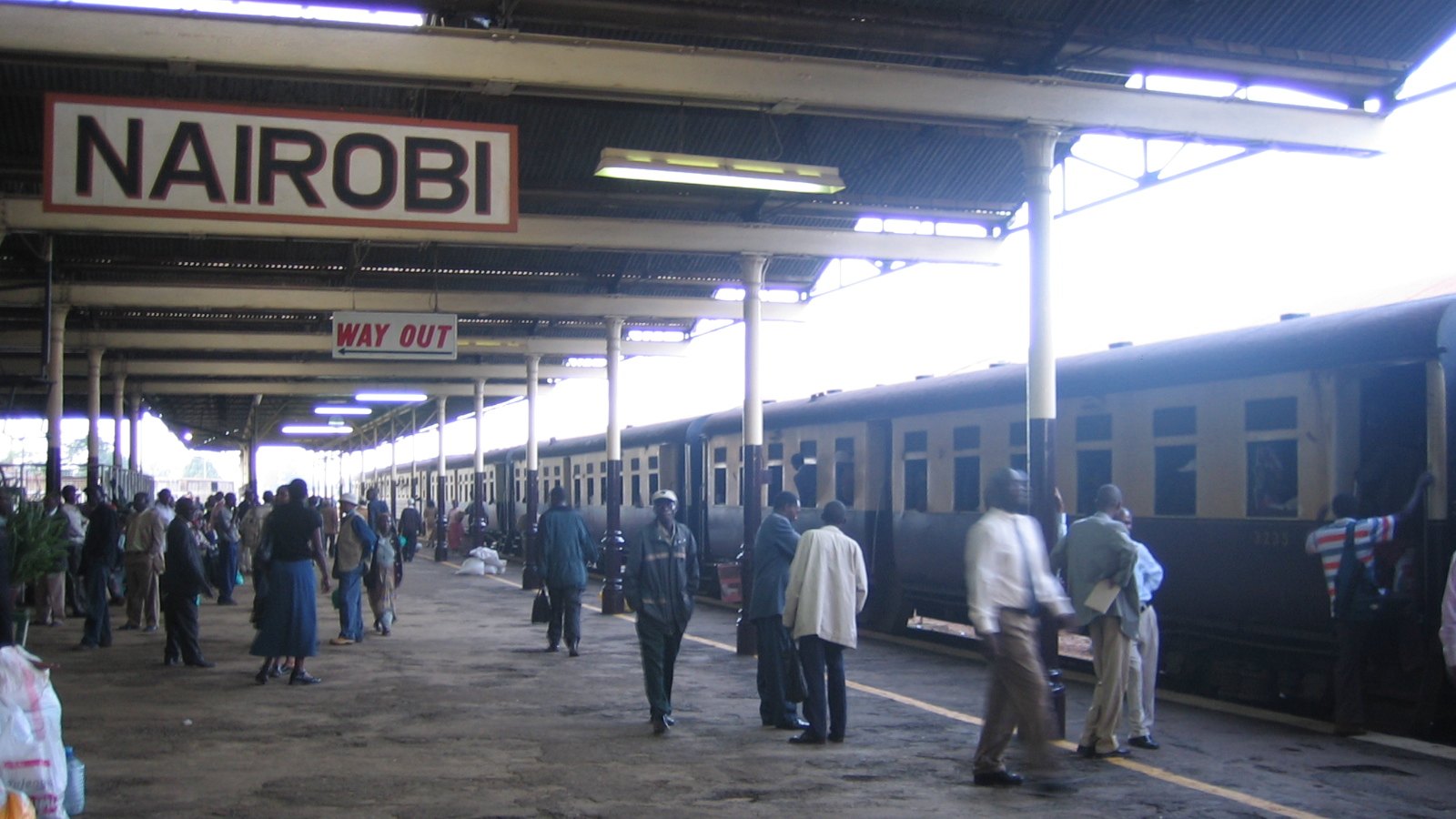
Commuters waiting beside a train on the platform at Nairobi railway station. File photo. Photo: Rotsee/Wikimedia Commons (CC BY-SA 3.0)
Listen to this article2 min listenAI voice
Tap play to hear this story
You are listening to Kibra News Network.
Two metro lines approved in Nairobi.
Two metro lines have been approved for Nairobi, according to the source credited below.
Background
Approval is the earliest stage of a rail project and the least binding. What determines whether a metro line is built is the funding structure, the land acquisition along the alignment, and whether the operating subsidy is agreed before construction rather than after. Nairobi has approved commuter rail plans before, and the parts that have actually been delivered have been upgrades to the existing Kenya Railways commuter network rather than new alignments.
Why it matters here
The alignment is the part Kibra should watch. The existing railway runs straight through the settlement, and the relationship between that line and the homes beside it has shaped Kibra's history, including the relocations carried out during the earlier commuter rail improvements. Any new line raises the same three questions here: who is displaced, what compensation is offered, and whether there is a station close enough for residents to actually use the service.
What to watch next
Whether financing is secured, what the published alignments are, and what resettlement and compensation framework is attached to them.
This story was put together by K N N from material first published by Railway Gazette International.
That was a Kibra News Network report, read by an A I voice.
Two metro lines have been approved for Nairobi, according to the source credited below.
Background
Approval is the earliest stage of a rail project and the least binding. What determines whether a metro line is built is the funding structure, the land acquisition along the alignment, and whether the operating subsidy is agreed before construction rather than after. Nairobi has approved commuter rail plans before, and the parts that have actually been delivered have been upgrades to the existing Kenya Railways commuter network rather than new alignments.
Why it matters here
The alignment is the part Kibra should watch. The existing railway runs straight through the settlement, and the relationship between that line and the homes beside it has shaped Kibra’s history, including the relocations carried out during the earlier commuter rail improvements. Any new line raises the same three questions here: who is displaced, what compensation is offered, and whether there is a station close enough for residents to actually use the service.
What to watch next
Whether financing is secured, what the published alignments are, and what resettlement and compensation framework is attached to them.
KNN Newsroom is the staff byline for stories written, rewritten and edited at the Kibra News Network desk. Where a story credits an outside outlet, the original source is linked at the foot of the piece.