



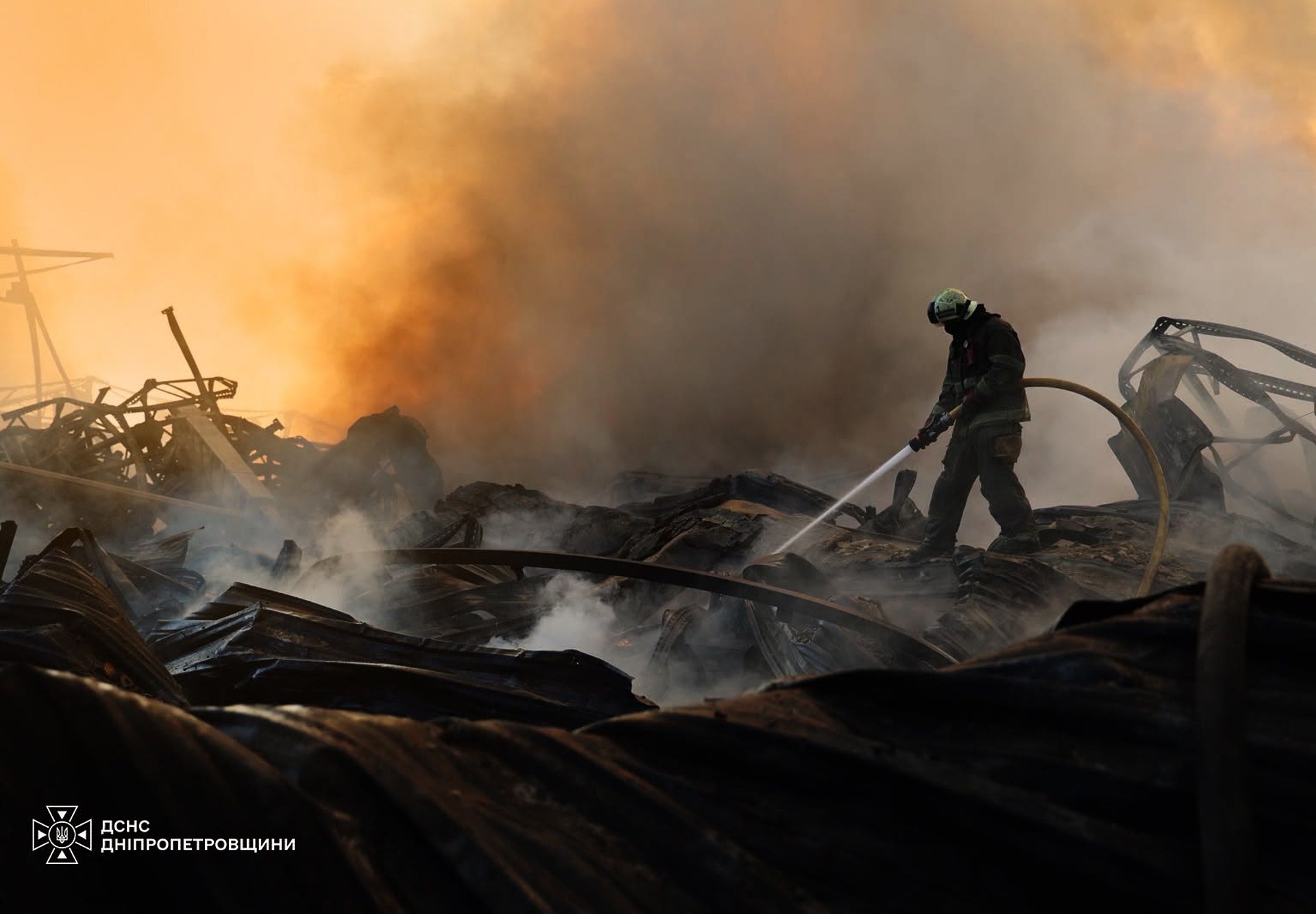
Ukrainian emergency workers warn of growing Russian attacks on hospitals and ambulances.
Background
Medical facilities and ambulances hold protected status under international humanitarian law. The Geneva Conventions and their additional protocols prohibit attacks on medical units, transports and personnel, and the protection extends to the wounded regardless of which side they belong to. Attacks on medical services are among the categories of conduct that international investigators treat most seriously, because the protection is close to absolute and the markings that signal it are deliberately unambiguous.
The World Health Organization maintains a surveillance system that records attacks on health care in conflict zones, and it has logged large numbers of incidents in Ukraine since 2022, covering hospitals, clinics, ambulances and health workers. Monitoring bodies distinguish between strikes on facilities and attacks on personnel responding to an earlier strike, the latter being a pattern that emergency workers in several conflicts have described.
Why it matters here
The principle at stake is not confined to Europe. Attacks on health facilities and health workers have been recorded in Sudan, the eastern Democratic Republic of Congo, Somalia and elsewhere in Africa, and Kenyan medics work in several of those settings through humanitarian agencies and peacekeeping deployments. Kenya is a party to the Geneva Conventions, and the standard being tested in Ukraine is the same one that applies in conflicts closer to home.
What to watch next
Accounts from emergency workers are testimony rather than adjudicated fact, and establishing intent in any individual incident requires investigation. The processes to follow are WHO’s incident recording, documentation by the UN human rights monitoring mission, and whether any cases are taken up by international prosecutors.
Read the full report at BBC News
Source: BBC News