You are listening to Kibra News Network.
Jamaica takes slavery reparations case to Britain’s Privy Council.
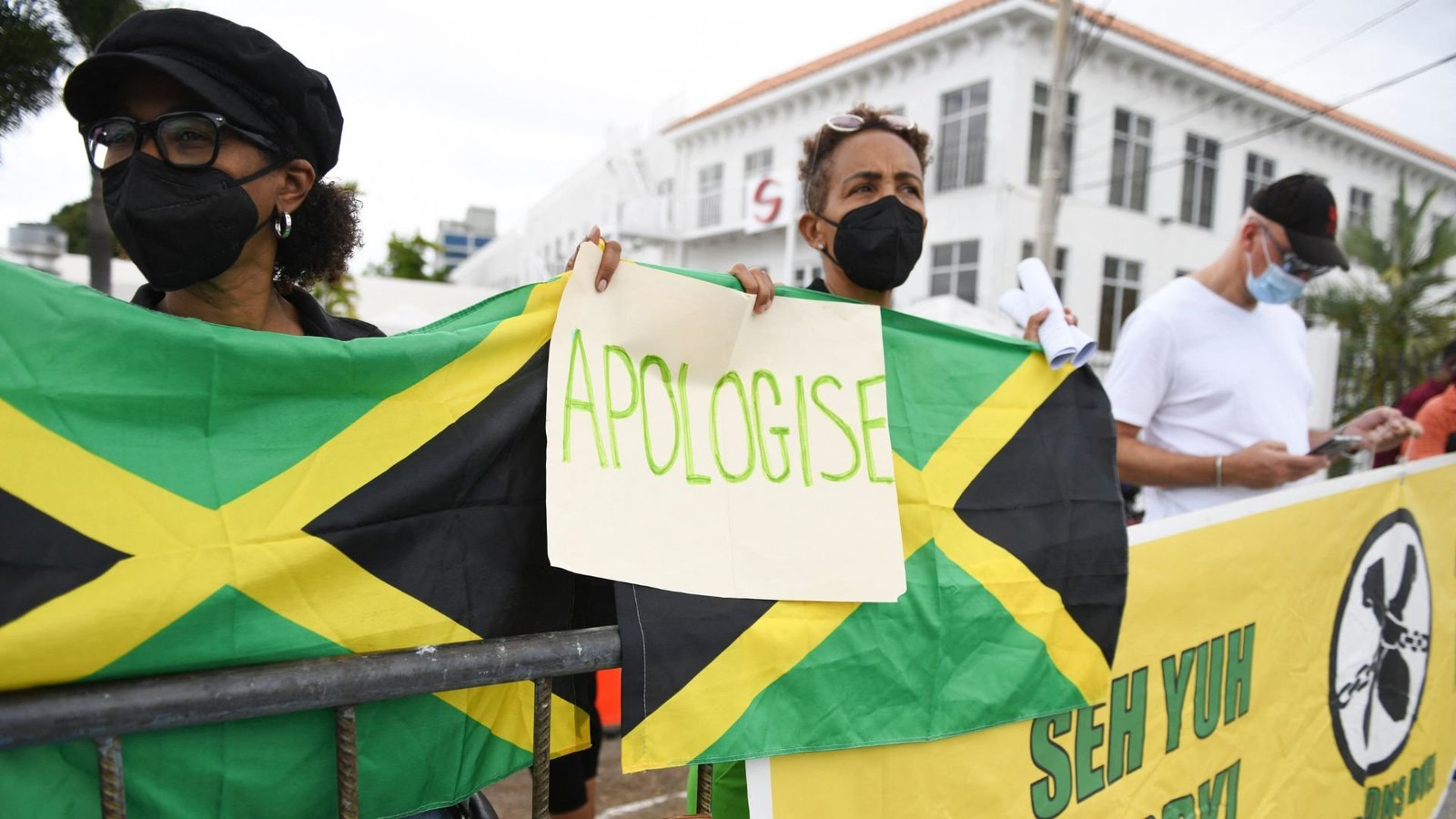
Jamaica has filed a petition asking Britain's highest court for the island to rule on whether the enslavement of Africans there was lawful – and whether the United Kingdom owes anything for it.
The delegation, led by Culture, Gender, Entertainment and Sport Minister Olivia Grange, arrived in London on Monday. The petition goes to King Charles III, who is Jamaica's head of state, and asks him to refer three questions to the Judicial Committee of the Privy Council.
The questions are whether the enslavement of Africans in Jamaica was legal under English common law, whether it broke international law, and whether Britain has a legal duty to provide a remedy.
The route runs through the Judicial Committee Act of 1833, which lets the monarch send legal questions to the court for an advisory opinion.
British merchants shipped between 600,000 and one million enslaved Africans to Jamaica between the 17th and early 19th centuries. When slavery was abolished, Britain paid slave owners – not the enslaved – $27 million, roughly 40 per cent of the Treasury's annual income at the time. Jamaica estimates it is owed about $10 billion.
"We want the answers," Grange said. "Once we get the answers…then the next steps will be determined."
This story was put together by K N N from material first published by Al Jazeera.
That was a Kibra News Network report, read by an A I voice.
Jamaica has filed a petition asking Britain’s highest court for the island to rule on whether the enslavement of Africans there was lawful — and whether the United Kingdom owes anything for it.
The delegation, led by Culture, Gender, Entertainment and Sport Minister Olivia Grange, arrived in London on Monday. The petition goes to King Charles III, who is Jamaica’s head of state, and asks him to refer three questions to the Judicial Committee of the Privy Council.
The questions are whether the enslavement of Africans in Jamaica was legal under English common law, whether it broke international law, and whether Britain has a legal duty to provide a remedy.
The route runs through the Judicial Committee Act of 1833, which lets the monarch send legal questions to the court for an advisory opinion.
British merchants shipped between 600,000 and one million enslaved Africans to Jamaica between the 17th and early 19th centuries. When slavery was abolished, Britain paid slave owners — not the enslaved — $27 million, roughly 40 per cent of the Treasury’s annual income at the time. Jamaica estimates it is owed about $10 billion.
“We want the answers,” Grange said. “Once we get the answers…then the next steps will be determined.”
KNN Newsroom is the staff byline for stories written, rewritten and edited at the Kibra News Network desk. Where a story credits an outside outlet, the original source is linked at the foot of the piece.