



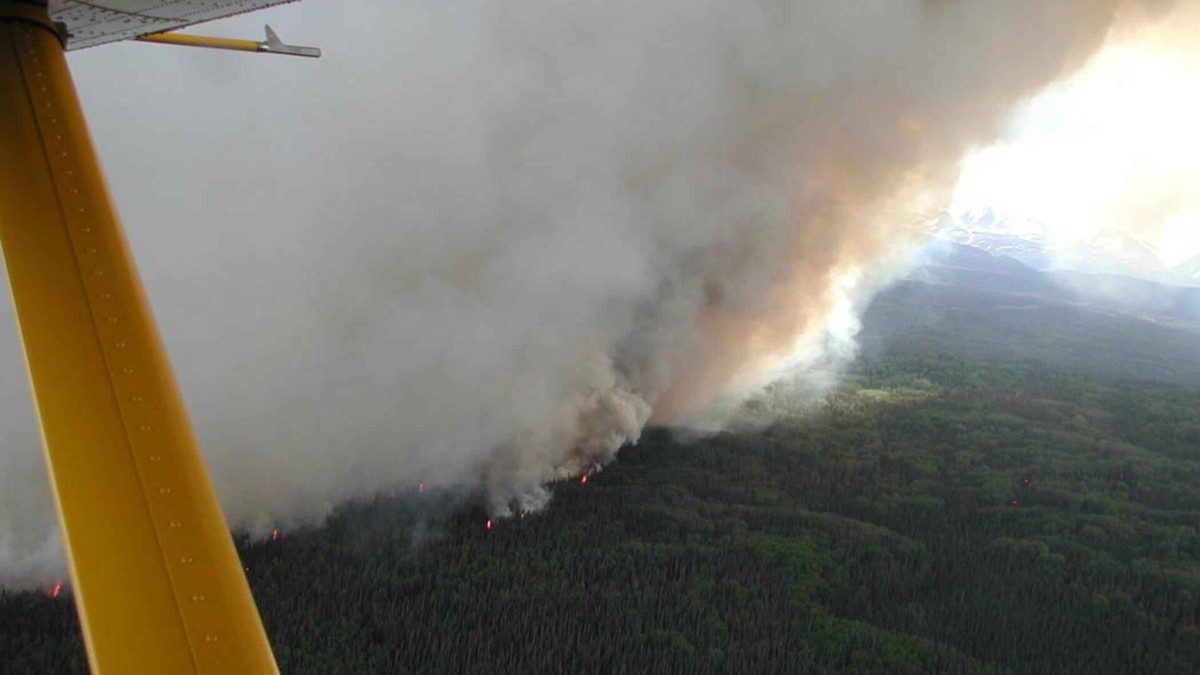
A man arrested on suspicion of starting the largest of three wildfires burning around Spokane, Washington, had been linked to two other fire investigations last year, authorities say.
Background
Arson arrests in large wildfires are less common than public discussion suggests, and they are difficult to prove. Investigators work backwards from the origin area, eliminating natural and accidental causes before they can establish a deliberate one, and linking a suspect to more than one fire usually depends on pattern evidence rather than direct witnesses. Even where arson is established, it explains the ignition and not the scale, which is determined by drought, fuel load and wind.
Why it matters here
The distinction matters in Kenya too. Fires in the Mau, the Aberdares and on Mount Kenya are frequently attributed to deliberate burning, sometimes for charcoal or grazing, and the attribution tends to close the conversation before it reaches the harder questions about forest management and enforcement capacity. In Kibra, where fires spread through building materials rather than vegetation, the same pattern holds: the search for who started it usually outlives any examination of why it spread.
What to watch next
What charges are actually brought, what the fire investigation concludes about the origin, and whether the response addresses fuel management as well as prosecution.
Read the full story on BBC News
Source: BBC News









