



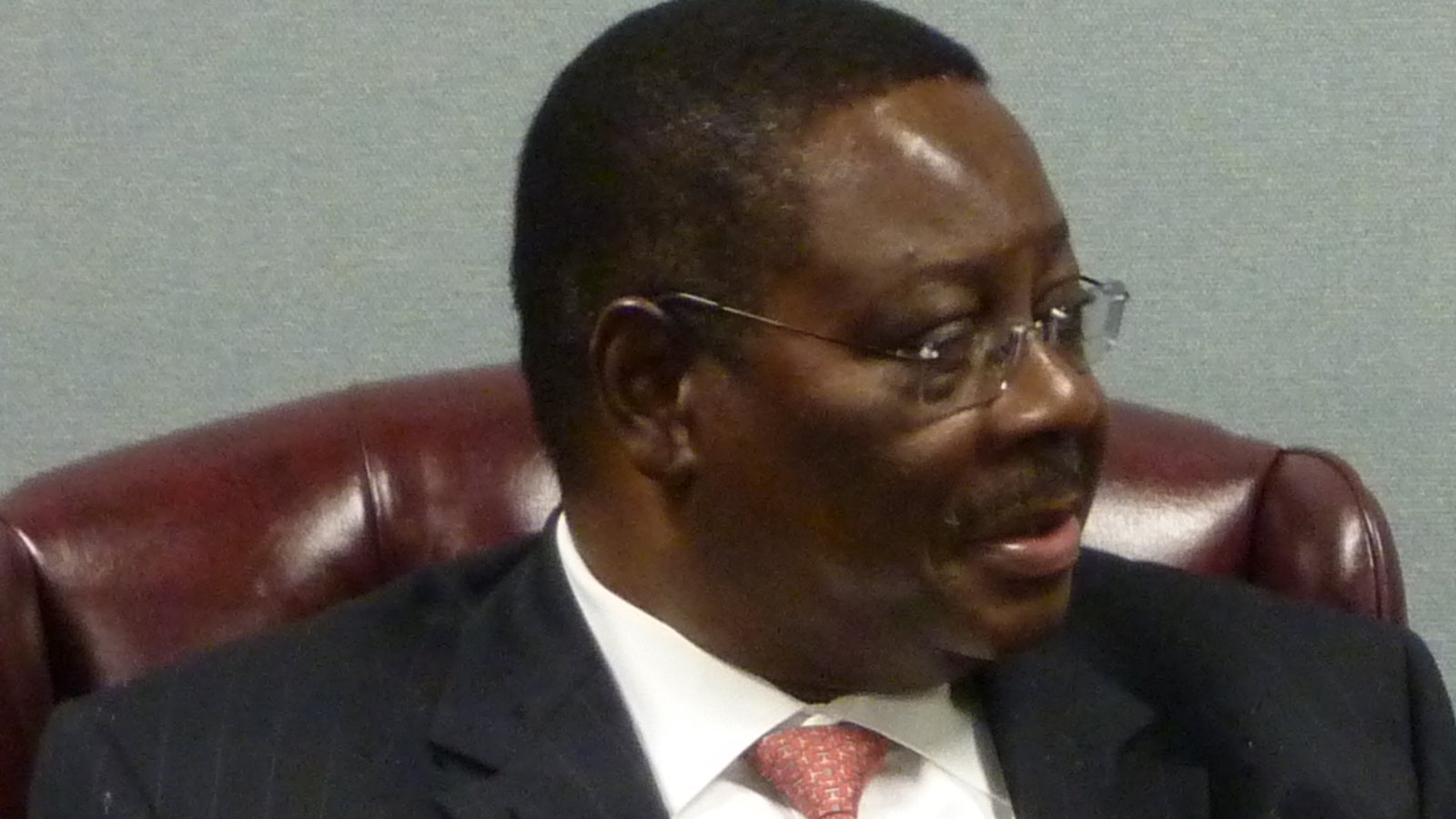
President Peter Mutharika has jetted off to South Africa yet again — his fourth “private visit” in barely seven months — fuelling fresh speculation about what exactly is so private when the traveller is the Head of State.
Why presidential travel is a public matter
A head of state does not travel privately in any meaningful sense. Whoever holds the office carries command authority, and most constitutions in the region deal with absence by providing for a deputy to act, or for specific powers to be exercised in the president’s absence. That is why the routine disclosure of travel, dates and who is in charge is treated as basic administration rather than as gossip.
When those details are not published, speculation fills the space, and the speculation is usually less accurate than the disclosure would have been.
How this is normally handled
Most governments publish a short notice: the destination, the purpose, the dates and the arrangement for authority while the president is away. Where a trip is genuinely personal, the convention is to say so and to name the acting arrangement anyway. The cost also matters. Aircraft, security details and delegations are public money whatever the purpose of the trip.
KNN takes no view on any leader’s private arrangements. The reporting standard is disclosure, not curiosity.
Why we carry it
Malawi’s argument is a version of one that runs everywhere in the region, including here. What must a president tell the public about their movements, their health and the cost of their travel, and who exercises authority while they are gone. Kenyan readers have watched the same question play out over official travel and delegation sizes.
It is a governance story rather than a personality story, and that is how we will follow it.
What we are watching
Whether the government publishes the purpose and cost of the trip, and what the constitutional arrangement is for authority during the absence.
Read the full report at AllAfrica News: Latest
Source: AllAfrica News: Latest









