You are listening to Kibra News Network.
Mental health in Kibra: what is actually available, and what to do while you wait.
Kenya has a small number of psychiatrists for a population of more than fifty million, concentrated overwhelmingly in a few urban centres. For a young person in Kibra, the practical consequence is that formal mental health care is close to unavailable and community provision is carrying the load.
That is the honest starting point. What follows is what exists and what helps.
What is available locally
Community and peer support. Several organisations in the ward run counselling and peer support circles, including Kibra Youth Network, which lists counselling, safe talk spaces and peer mentorship groups among its programmes. Peer circles are not clinical treatment. They are, on the evidence from similar programmes internationally, genuinely effective for isolation, low mood and the ordinary weight of a hard year.
Primary health facilities. Kenya has been integrating mental health into primary care, which means a clinical officer at a health centre can increasingly assess, treat common conditions and refer. Ask. Many people assume a dispensary cannot help and never raise it.
Referral care. Mathari National Teaching and Referral Hospital is the national psychiatric facility. Kenyatta National Hospital has psychiatric services. Both need a referral except in emergencies.
Helplines. Kenya operates national mental health and suicide prevention helplines, and several NGOs run counselling lines. Numbers change; ask at any health facility or check the Ministry of Health's current listing.
Faith communities. For many households in Kibra the first conversation happens with a pastor, an imam or an elder. That is legitimate and often helpful, and it works best where the leader knows when to refer on.
What helps while you wait
None of this replaces treatment. All of it is worth doing.
Tell one person. The single largest predictor of things getting worse is silence. It does not have to be a professional. It has to be someone.
Protect sleep. Sleep and mood are so tightly linked that fixing the first often shifts the second. A consistent time, less screen late, less caffeine after mid-afternoon.
Move. Regular physical activity has a measurable effect on depression and anxiety. A daily walk counts.
Cut alcohol and khat. Both make anxiety and low mood worse over time, whatever they do in the moment.
Structure the day. Unemployment is corrosive partly because it removes structure. Fixed times for something, anything, help.
Signs that this needs a professional now
Thoughts of ending your life or of harming someone else. Not eating or not sleeping for days. Hearing or seeing things others do not. Being unable to carry out basic daily tasks. Drinking or using substances to get through every day.
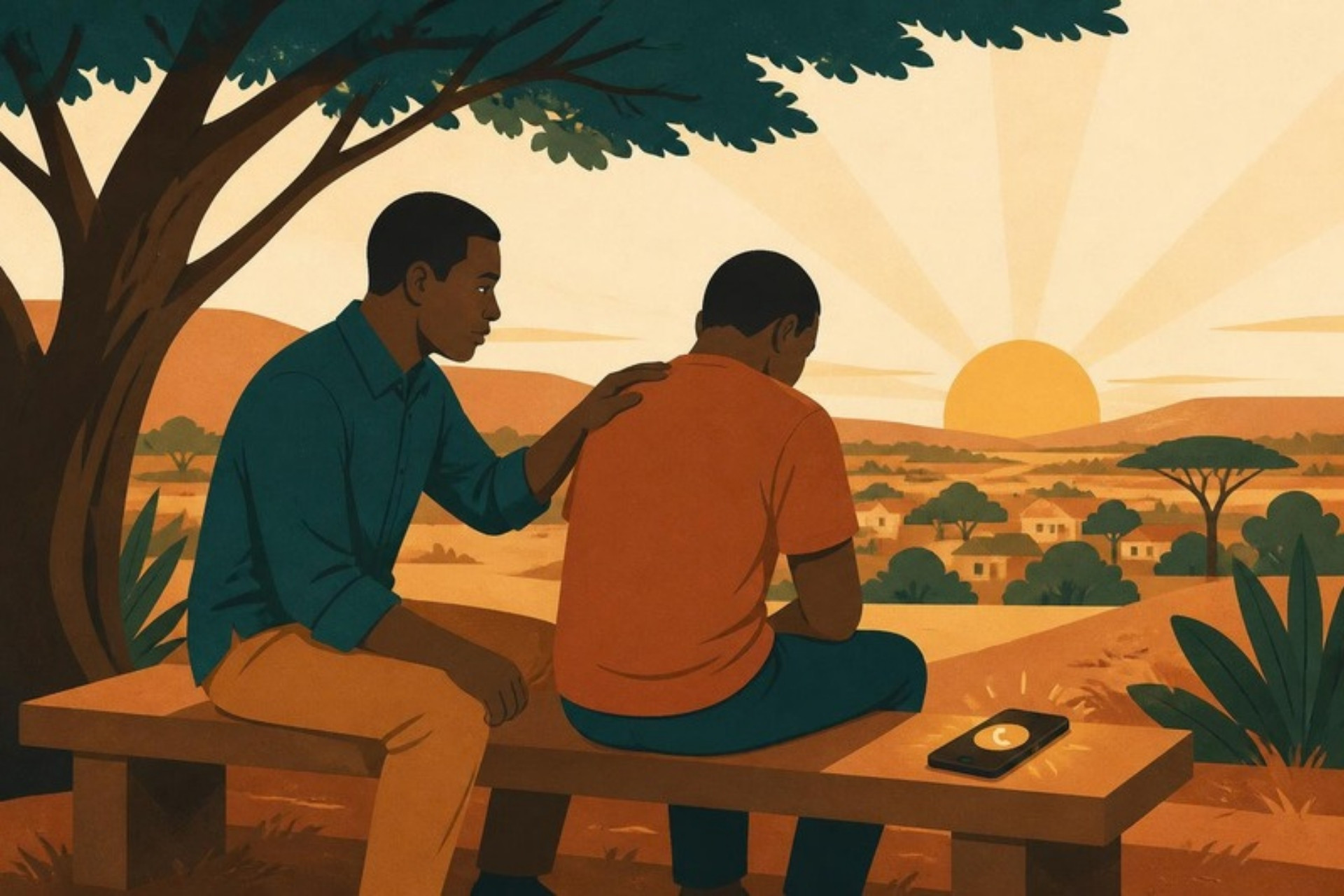
If someone tells you they are thinking about suicide, take it seriously, stay with them, remove obvious means, and get them to a health facility or a helpline. Asking directly does not plant the idea; the evidence is clear on this.
What would change this
More trained counsellors at primary level, mental health properly covered by the social health insurance package, and funding for the community organisations already doing the work. The last of these is the cheapest and the least likely to happen without pressure.
If you know a service we have missed
KNN is compiling a directory of mental health support available in Kibra, including free and low-cost services. Send details to news@kibranewsnetwork.co.ke.
General information, not medical advice. If you are in crisis, go to the nearest health facility or call a national helpline.
That was a Kibra News Network report, read by an A I voice.
Kenya has a small number of psychiatrists for a population of more than fifty million, concentrated overwhelmingly in a few urban centres. For a young person in Kibra, the practical consequence is that formal mental health care is close to unavailable and community provision is carrying the load.
That is the honest starting point. What follows is what exists and what helps.
What is available locally
Community and peer support. Several organisations in the ward run counselling and peer support circles, including Kibra Youth Network, which lists counselling, safe talk spaces and peer mentorship groups among its programmes. Peer circles are not clinical treatment. They are, on the evidence from similar programmes internationally, genuinely effective for isolation, low mood and the ordinary weight of a hard year.
Primary health facilities. Kenya has been integrating mental health into primary care, which means a clinical officer at a health centre can increasingly assess, treat common conditions and refer. Ask. Many people assume a dispensary cannot help and never raise it.
Referral care. Mathari National Teaching and Referral Hospital is the national psychiatric facility. Kenyatta National Hospital has psychiatric services. Both need a referral except in emergencies.
Helplines. Kenya operates national mental health and suicide prevention helplines, and several NGOs run counselling lines. Numbers change; ask at any health facility or check the Ministry of Health’s current listing.
Faith communities. For many households in Kibra the first conversation happens with a pastor, an imam or an elder. That is legitimate and often helpful, and it works best where the leader knows when to refer on.
What helps while you wait
None of this replaces treatment. All of it is worth doing.
Tell one person. The single largest predictor of things getting worse is silence. It does not have to be a professional. It has to be someone.
Protect sleep. Sleep and mood are so tightly linked that fixing the first often shifts the second. A consistent time, less screen late, less caffeine after mid-afternoon.
Move. Regular physical activity has a measurable effect on depression and anxiety. A daily walk counts.
Cut alcohol and khat. Both make anxiety and low mood worse over time, whatever they do in the moment.
Structure the day. Unemployment is corrosive partly because it removes structure. Fixed times for something, anything, help.
Signs that this needs a professional now
Thoughts of ending your life or of harming someone else. Not eating or not sleeping for days. Hearing or seeing things others do not. Being unable to carry out basic daily tasks. Drinking or using substances to get through every day.
If someone tells you they are thinking about suicide, take it seriously, stay with them, remove obvious means, and get them to a health facility or a helpline. Asking directly does not plant the idea; the evidence is clear on this.
What would change this
More trained counsellors at primary level, mental health properly covered by the social health insurance package, and funding for the community organisations already doing the work. The last of these is the cheapest and the least likely to happen without pressure.
If you know a service we have missed
KNN is compiling a directory of mental health support available in Kibra, including free and low-cost services. Send details to news@kibranewsnetwork.co.ke.
General information, not medical advice. If you are in crisis, go to the nearest health facility or call a national helpline.
KNN Newsroom is the staff byline for stories written, rewritten and edited at the Kibra News Network desk. Where a story credits an outside outlet, the original source is linked at the foot of the piece.