Photo: Mutungadavid / Wikimedia Commons, CC BY-SA 4.0
Listen to this article5 min listenAI voice
Tap play to hear this story
You are listening to Kibra News Network.
Rain, water and the illnesses that follow: a Kibra household guide.
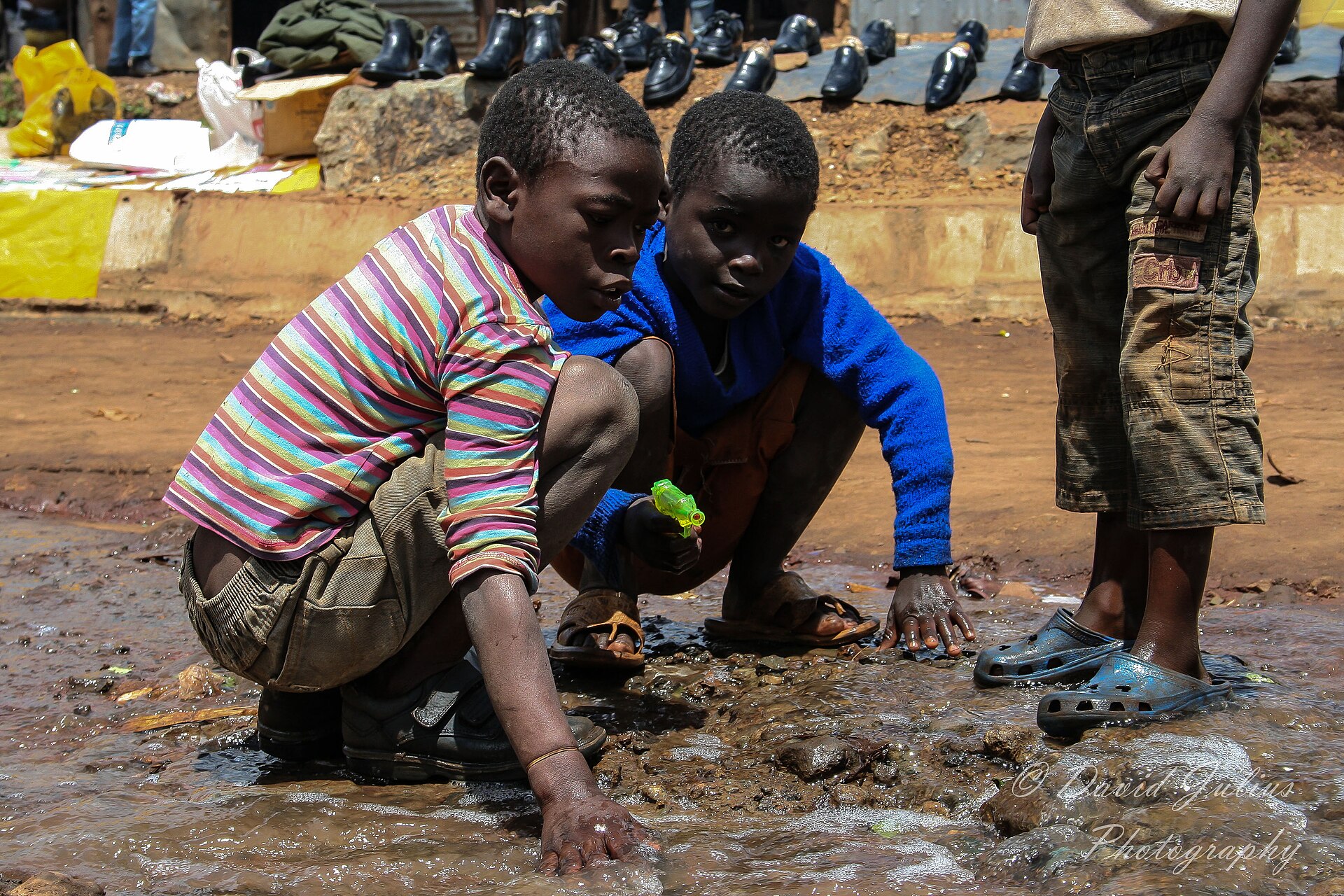
The pattern repeats every season. The rain comes, the drains do not cope, the pit latrines flood, the shallow water sources are contaminated, and within a fortnight clinics across Kibra are seeing the same handful of conditions.
None of this is mysterious and most of it is preventable at household level, even where the infrastructure is not going to improve this year.
What comes with the rain
Diarrhoeal disease, including cholera and typhoid. Driven by contaminated water and by flood water reaching food and hands. Dangerous in small children and in older people because of dehydration.
Skin infections and fungal conditions. From standing water, wet footwear and shared washing facilities.
Respiratory infections. From damp housing, poor ventilation and indoor cooking smoke.
Malaria. Nairobi is not a high-transmission zone, but standing water and travel to endemic areas both change that calculation.
Injuries. Slips, cuts from debris in flood water, and electrical hazards from exposed connections. Do not wade through flood water near power lines or damaged wiring.
Water: the four things that matter
Know your source. Piped water from a licensed vendor or utility point is safer than a shallow well or a handcart of unknown origin.
Treat it anyway. Boiling is the most reliable method: bring it to a rolling boil, then let it cool covered. Chlorine treatment products are cheap and widely sold; follow the dose on the bottle and wait the full contact time. Filters help with sediment but do not by themselves make unsafe water safe.
Store it properly. A covered container with a narrow neck or a tap. The commonest failure is treating water correctly and then dipping a dirty cup into it.
Keep drinking and washing water separate and never store water in a container that held chemicals or fuel.
Hands, food and latrines
Handwashing with soap at the right five moments prevents more disease than anything else on this page: after using the toilet, after cleaning a child, before preparing food, before eating, and before feeding a child. A tippy-tap made from a jerrican costs nothing and works.
Cook food thoroughly and eat it hot. Be careful with cut fruit and salads from vendors during and after heavy rain. Cover food against flies.
Where latrines flood, do not use them, and report the overflow to the ward office and the water company. Flying toilets are a rational response to a broken system and they are also how the next outbreak spreads.
Diarrhoea: what to do at home and when to go
Oral rehydration solution is the treatment. It is sold in sachets at every pharmacy and it should be in every household with children, bought before it is needed. Give it after every loose stool. Zinc supplements for children shorten the episode and are recommended by the health ministry.
Go to a facility immediately if there is blood in the stool, persistent vomiting, a high fever, signs of dehydration such as sunken eyes, no urine, lethargy or a dry mouth, or if the person affected is an infant, is elderly, or is pregnant. Watery diarrhoea with rapid dehydration in an adult needs urgent attention because of the cholera risk.
Before the next season
Clear the drain outside your structure and keep it clear; most flooding in the settlement is blockage rather than volume. Raise stored items off the floor. Check your roof before the rain rather than during it. Keep ORS, soap and a water treatment product in the house as standing stock.
And report blocked drains and overflowing latrines in writing to the ward office, with a photograph and a location. Documented complaints are what create the record that eventually forces the work.
General health information, not medical advice. If you or a family member is unwell, see a health worker.
That was a Kibra News Network report, read by an A I voice.
The pattern repeats every season. The rain comes, the drains do not cope, the pit latrines flood, the shallow water sources are contaminated, and within a fortnight clinics across Kibra are seeing the same handful of conditions.
None of this is mysterious and most of it is preventable at household level, even where the infrastructure is not going to improve this year.
What comes with the rain
Diarrhoeal disease, including cholera and typhoid. Driven by contaminated water and by flood water reaching food and hands. Dangerous in small children and in older people because of dehydration.
Skin infections and fungal conditions. From standing water, wet footwear and shared washing facilities.
Respiratory infections. From damp housing, poor ventilation and indoor cooking smoke.
Malaria. Nairobi is not a high-transmission zone, but standing water and travel to endemic areas both change that calculation.
Injuries. Slips, cuts from debris in flood water, and electrical hazards from exposed connections. Do not wade through flood water near power lines or damaged wiring.
Water: the four things that matter
Know your source. Piped water from a licensed vendor or utility point is safer than a shallow well or a handcart of unknown origin.
Treat it anyway. Boiling is the most reliable method: bring it to a rolling boil, then let it cool covered. Chlorine treatment products are cheap and widely sold; follow the dose on the bottle and wait the full contact time. Filters help with sediment but do not by themselves make unsafe water safe.
Store it properly. A covered container with a narrow neck or a tap. The commonest failure is treating water correctly and then dipping a dirty cup into it.
Keep drinking and washing water separate and never store water in a container that held chemicals or fuel.
Hands, food and latrines
Handwashing with soap at the right five moments prevents more disease than anything else on this page: after using the toilet, after cleaning a child, before preparing food, before eating, and before feeding a child. A tippy-tap made from a jerrican costs nothing and works.
Cook food thoroughly and eat it hot. Be careful with cut fruit and salads from vendors during and after heavy rain. Cover food against flies.
Where latrines flood, do not use them, and report the overflow to the ward office and the water company. Flying toilets are a rational response to a broken system and they are also how the next outbreak spreads.
Diarrhoea: what to do at home and when to go
Oral rehydration solution is the treatment. It is sold in sachets at every pharmacy and it should be in every household with children, bought before it is needed. Give it after every loose stool. Zinc supplements for children shorten the episode and are recommended by the health ministry.
Go to a facility immediately if there is blood in the stool, persistent vomiting, a high fever, signs of dehydration such as sunken eyes, no urine, lethargy or a dry mouth, or if the person affected is an infant, is elderly, or is pregnant. Watery diarrhoea with rapid dehydration in an adult needs urgent attention because of the cholera risk.
Before the next season
Clear the drain outside your structure and keep it clear; most flooding in the settlement is blockage rather than volume. Raise stored items off the floor. Check your roof before the rain rather than during it. Keep ORS, soap and a water treatment product in the house as standing stock.
And report blocked drains and overflowing latrines in writing to the ward office, with a photograph and a location. Documented complaints are what create the record that eventually forces the work.
General health information, not medical advice. If you or a family member is unwell, see a health worker.
KNN Newsroom is the staff byline for stories written, rewritten and edited at the Kibra News Network desk. Where a story credits an outside outlet, the original source is linked at the foot of the piece.