



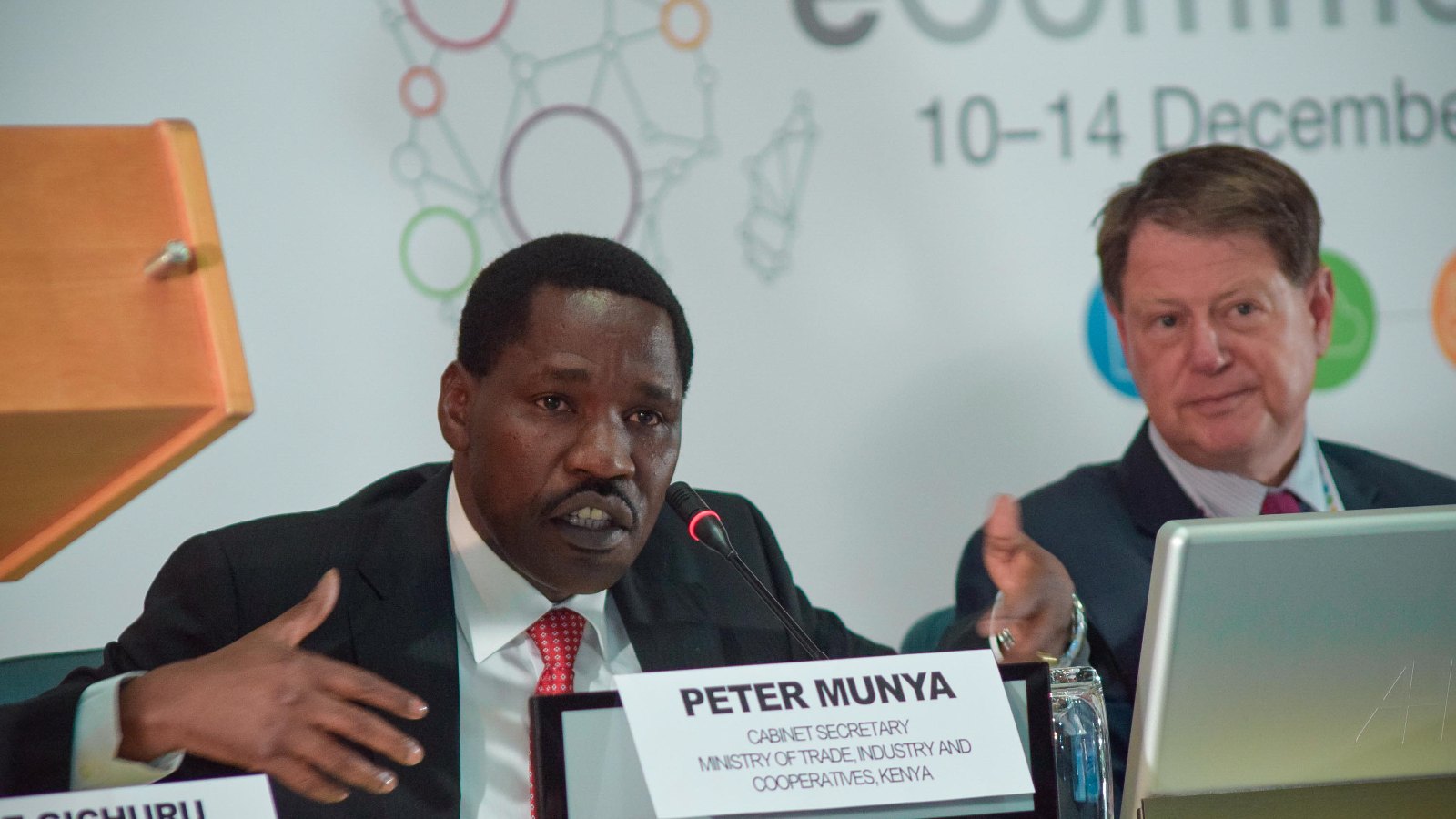
His remarks come amid growing debate over leadership within the Opposition, days after Gachagua dismissed concerns raised by Munya and other leaders, insisting parties allied to the Opposition should strengthen themselves
The argument inside the opposition
The exchange is part of a wider contest over who speaks for the opposition, and on what terms, ahead of the next general election. The public dispute is about tone and tactics. The real dispute, as usual, is about which party gets to name candidates in which seats, and who controls the coalition machinery that decides it.
Kenyan coalitions have a pattern. They form early, argue about parity for two years, and settle on a formula close to the deadline for coalition agreements at the registrar of political parties. Everything before that is positioning.
Why it matters locally
Kibra has produced some of the most consequential parliamentary politics in the country, and it has also lived through what happens when national alliances are struck without reference to the ward. Nomination deals decide whether residents get a competitive election or a coronation, and whether the people on the ballot have any record of showing up between campaigns.
Party primaries, not the general election, are where most Kibra seats are effectively decided. That is where the coalition talk lands.
What we are watching
Whether these disagreements produce a formal coalition agreement or a split, how nominations for Nairobi seats are structured, and what any of the parties involved commit to on ward level spending in this constituency.
KNN reports party politics through what it changes for residents. If a coalition or a candidate makes a promise about Kibra, we will keep the receipt.
Read the full report at News – Capital FM Kenya
Source: News – Capital FM Kenya









