



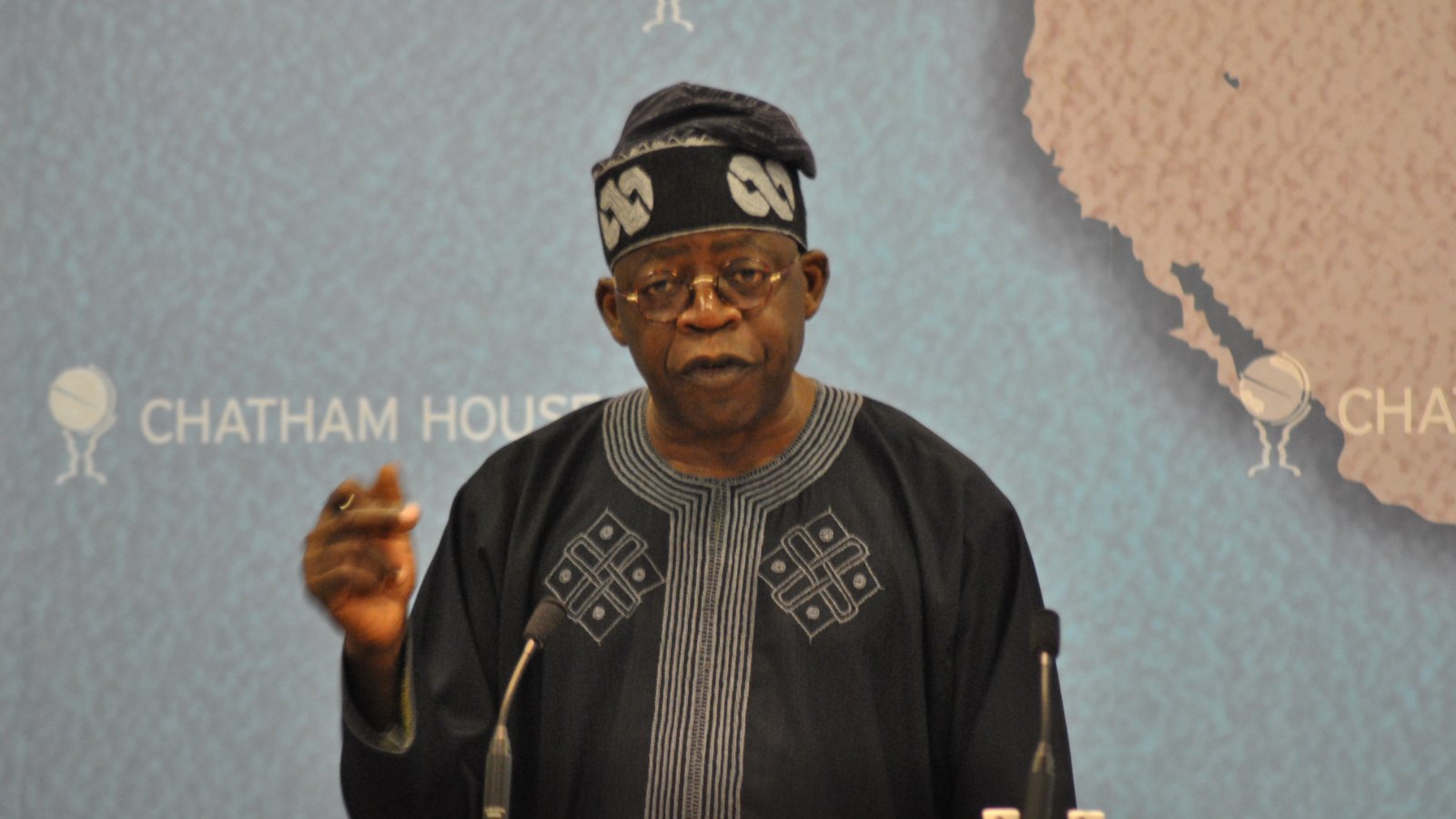
President Bola Tinubu has hailed the rescue of 308 Nigerians abducted in separate attacks in Kwara and Niger states, describing the operation as evidence of growing synergy among the country’s security agencies.
The claim and the verification
Rescue figures announced by governments are political numbers as well as operational ones. They are usually the first count, taken in the field, and they change as families are reunited and as it becomes clear who was released, who escaped and who was never held. That is not an accusation of bad faith, it is how early counts work, and it is why independent confirmation matters.
The credibility test is whether the same government publishes a revised figure later without being forced to.
Why the abduction trade continues
Mass kidnapping in parts of Nigeria has become a business with a price list, sustained by ransom payments, thinly policed rural areas and the political pressure that large hostage numbers generate. Successful operations disrupt it. They do not remove the incentive, and communities frequently keep paying quietly regardless of what is announced.
The measures that shift the arithmetic are duller than rescue operations: rural policing, prosecutions, controls on the ransom economy and support for communities that refuse to pay.
Why we run it
African security stories carry lessons that travel. The Nigerian experience shows what happens when the state’s presence is uneven, and communities are left to arrange their own safety through payment or through armed self help. Versions of that bargain exist in Kenyan neighbourhoods too, including this one.
We also report abductions carefully, naming survivors only with consent and never publishing information that could endanger anyone still held.
What we are watching
An independently confirmed figure, what medical, documentation and schooling support the released receive, and whether anyone is charged.
Read the full report at AllAfrica News: Latest
Source: AllAfrica News: Latest