



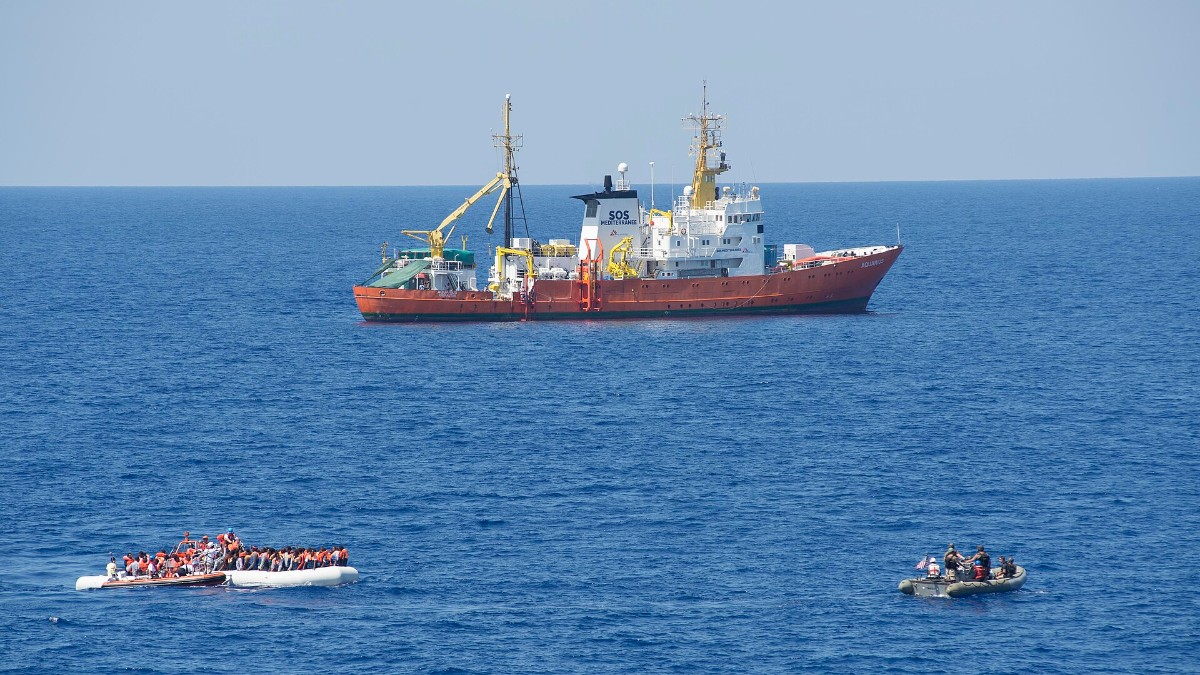
Eight leading shipping organisations sign letter opposing fees in critical waterway.
Why this waterway sets your fare
A very large share of the world’s seaborne oil and liquefied gas leaves the Gulf through a single narrow channel. Anything that raises the cost of passing through it, whether a toll, a war risk insurance premium or a longer route, is added to the delivered price of fuel long before it reaches a pump in Nairobi.
Kenya imports refined petroleum products, most of them from Gulf refineries, landing at Mombasa. The chain from that channel to a matatu fare on Ngong Road is short and well documented.
What shipowners are objecting to
Industry bodies representing owners, tanker operators and insurers rarely sign joint letters. When they do, it is usually because a proposed charge threatens to become a precedent that other states could copy on other chokepoints. Their argument is that fees on transit through an international strait would raise costs for every importing country, not only for the parties to a conflict.
The counter argument, made by states bordering such waters, is that they carry the security and environmental cost of the traffic.
The Kibra angle
Fuel is the most efficient way to raise the price of everything in a low income household. It moves matatu fares, the cost of pumped water, cooking gas and kerosene, and the price of maize flour and vegetables trucked into Toi and Gikomba. A shock at sea shows up here as a fare rise within weeks, and fares almost never come back down as fast as they went up.
Kenya’s monthly fuel price review is the point where this becomes visible. It is worth reading each month, and we will report what it means at ward level.
What we are watching
Whether any transit charge is actually imposed, what happens to war risk insurance premiums, and the next monthly fuel price review in Nairobi.
Read the full report at Al Jazeera – Breaking News, World News and Video from Al Jazeera
Source: Al Jazeera – Breaking News, World News and Video from Al Jazeera










