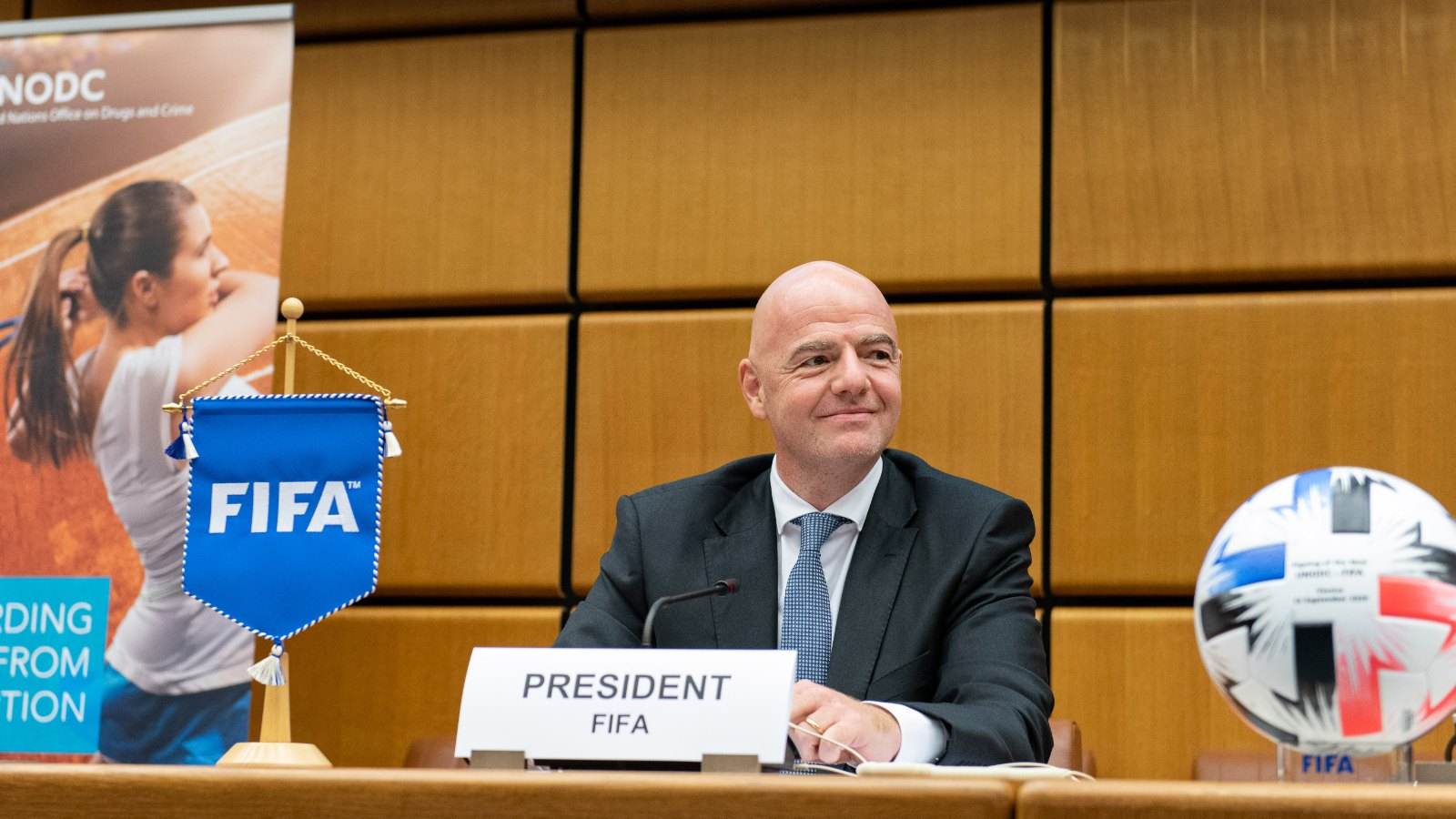
FIFA’s President Gianni Infantino gets the support of executive members at an emergency meeting in Morocco.
Why football governance rows keep repeating
FIFA is a private association that controls a public asset. It answers to its own congress of member federations, not to the governments of the countries that host its tournaments, and its president is elected by those federations. That structure is the source of both its independence and of every argument it has with host states over cost, security, taxation and who gets the revenue.
An emergency meeting that ends with the executive backing its president is the normal outcome of that arithmetic, and it says little about the underlying dispute.
What is actually at stake for hosts
Hosting a World Cup involves public spending on transport and security, tax concessions, guarantees signed by governments and, increasingly, difficult questions about visas and access. The 2026 tournament is being staged across three countries, which multiplies every one of those negotiations. Public friction between a head of government and the federation is usually a symptom of a bill nobody wants to pay.
African federations watch these fights closely, because the same body sets the calendar and the qualification slots that decide their seasons.
Why it matters to Kenyan fans
Decisions taken in these rooms reach Kibra in ordinary ways: which matches are broadcast and at what price, when the Africa Cup of Nations is scheduled and therefore which players are released, and how much development money reaches a national federation that has had its own governance troubles.
The distance between a boardroom in Morocco and a screening den in Makina is shorter than it looks.
What we are watching
What the dispute is formally about, whether any host government escalates it, and what it changes for the 2026 tournament.
Read the full report at Al Jazeera – Breaking News, World News and Video from Al Jazeera
Source: Al Jazeera – Breaking News, World News and Video from Al Jazeera