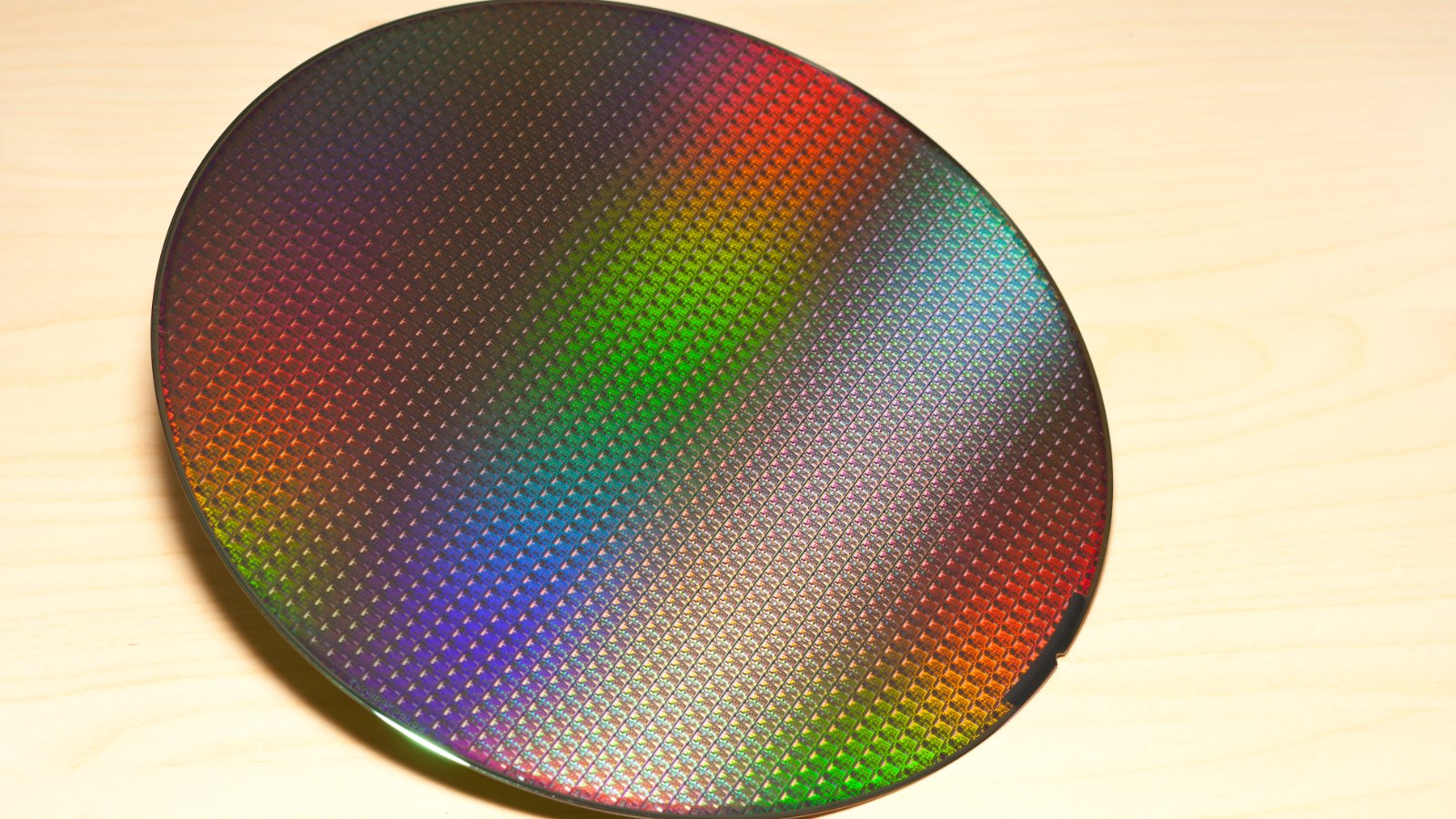
A silicon wafer catches the light. Washington has imposed a 15 per cent tariff on a key chip-making material in a move aimed at China. Photo: Rob Bulmahn/Wikimedia Commons (CC BY 2.0)
Listen to this article2 min listenAI voice
Tap play to hear this story
You are listening to Kibra News Network.
Trump imposes 15% tariff on key chip material to counter China.
The move aims to protect US firms as they face increasing competition from China's chip industry.
Background
Semiconductor supply chains are unusually concentrated. A small number of countries process the specialist materials that go into chip manufacturing, and China dominates several of them, which is why tariffs and export controls in this area are treated as strategic rather than commercial policy. The pattern over recent years has been reciprocal: a restriction on one side is met with a restriction on a different chokepoint, and the cost lands on manufacturers and eventually on consumers in third countries that are not party to the dispute.
Why it matters here
Kenya is one of those third countries. Phones, laptops, routers, solar controllers and the components inside them are all imported, and Kenya has no domestic chip industry to shelter behind. When input costs rise, the effect here is a higher retail price for the device a mama mboga uses to take payments and for the phone a student in Kibra needs for online learning. Kenya also has critical mineral prospects of its own, which makes the wider scramble for these materials a Kenyan commercial question as well as a consumer one.
What to watch next
Whether China responds with counter-measures, whether device prices in the Kenyan market move, and whether the dispute pushes more attention onto African mineral supply.
This story was put together by K N N from material first published by BBC News.
That was a Kibra News Network report, read by an A I voice.
The move aims to protect US firms as they face increasing competition from China's chip industry.
Background
Semiconductor supply chains are unusually concentrated. A small number of countries process the specialist materials that go into chip manufacturing, and China dominates several of them, which is why tariffs and export controls in this area are treated as strategic rather than commercial policy. The pattern over recent years has been reciprocal: a restriction on one side is met with a restriction on a different chokepoint, and the cost lands on manufacturers and eventually on consumers in third countries that are not party to the dispute.
Why it matters here
Kenya is one of those third countries. Phones, laptops, routers, solar controllers and the components inside them are all imported, and Kenya has no domestic chip industry to shelter behind. When input costs rise, the effect here is a higher retail price for the device a mama mboga uses to take payments and for the phone a student in Kibra needs for online learning. Kenya also has critical mineral prospects of its own, which makes the wider scramble for these materials a Kenyan commercial question as well as a consumer one.
What to watch next
Whether China responds with counter-measures, whether device prices in the Kenyan market move, and whether the dispute pushes more attention onto African mineral supply.
KNN Newsroom is the staff byline for stories written, rewritten and edited at the Kibra News Network desk. Where a story credits an outside outlet, the original source is linked at the foot of the piece.