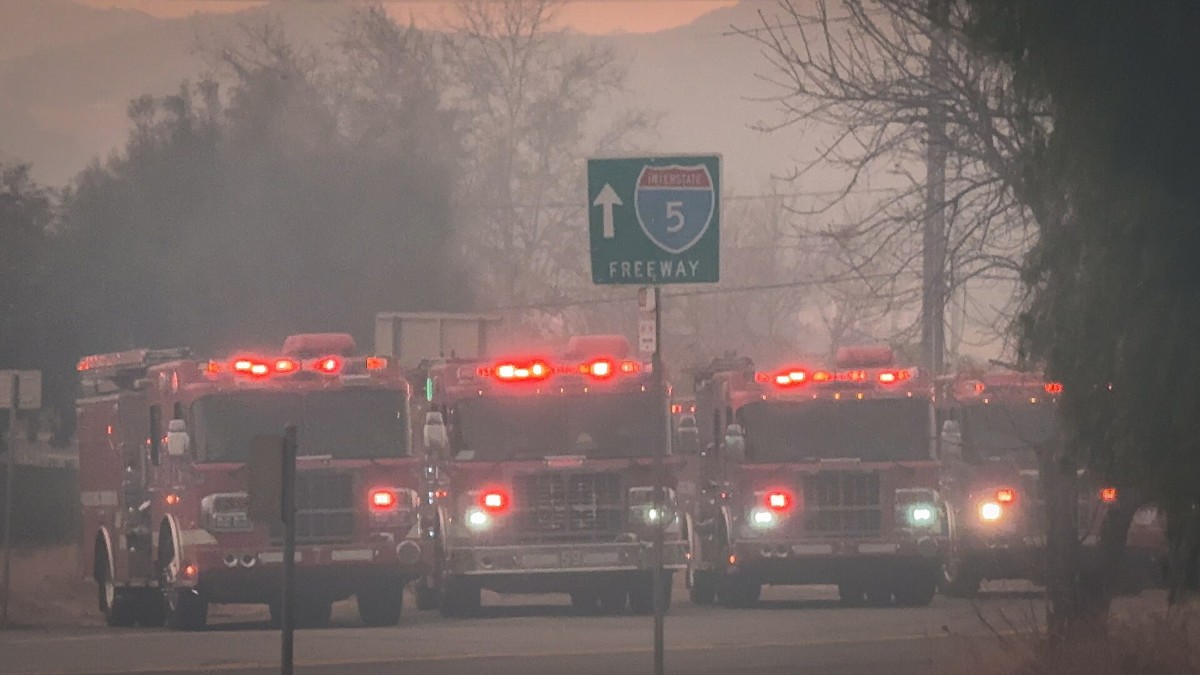
Photo: Region 5 Photography / Wikimedia Commons, Public domain
Listen to this article2 min listenAI voice
Tap play to hear this story
You are listening to Kibra News Network.
Why are the Washington wildfires so severe? Spokane fires explained.
Wildfires around Spokane have spread rapidly and pushed Washington state into a major fire crisis, Al Jazeera reports.
Background
Severe wildfire seasons are produced by a combination rather than a single cause: a wet season that grows fuel, a dry season that cures it, high winds that carry embers ahead of the fire front, and settlement patterns that place homes inside the fuel. Once a fire is wind-driven and throwing embers, suppression becomes largely impossible and the response shifts to evacuation. That is why the useful questions after a major fire are about warning systems and building standards rather than about firefighting capacity alone.
Why it matters here
Kenya's fires take a different form but raise the same questions about warning and materials. Forest fires in the Aberdares, on Mount Kenya and in the Mau are seasonal and largely rural, while the fires that harm the most people are urban ones in dense settlements including Kibra, where the fuel is building material and stored paraffin rather than vegetation. In both cases, the outcome is decided before the fire starts, by how things are built and how quickly people are told to move.
What to watch next
What the fire review concludes about warning and evacuation, whether building standards in the fire-prone zone are revisited, and how many homes are rebuilt.
This story was put together by K N N from material first published by Al Jazeera.
That was a Kibra News Network report, read by an A I voice.
Wildfires around Spokane have spread rapidly and pushed Washington state into a major fire crisis, Al Jazeera reports.
Background
Severe wildfire seasons are produced by a combination rather than a single cause: a wet season that grows fuel, a dry season that cures it, high winds that carry embers ahead of the fire front, and settlement patterns that place homes inside the fuel. Once a fire is wind-driven and throwing embers, suppression becomes largely impossible and the response shifts to evacuation. That is why the useful questions after a major fire are about warning systems and building standards rather than about firefighting capacity alone.
Why it matters here
Kenya’s fires take a different form but raise the same questions about warning and materials. Forest fires in the Aberdares, on Mount Kenya and in the Mau are seasonal and largely rural, while the fires that harm the most people are urban ones in dense settlements including Kibra, where the fuel is building material and stored paraffin rather than vegetation. In both cases, the outcome is decided before the fire starts, by how things are built and how quickly people are told to move.
What to watch next
What the fire review concludes about warning and evacuation, whether building standards in the fire-prone zone are revisited, and how many homes are rebuilt.
KNN Newsroom is the staff byline for stories written, rewritten and edited at the Kibra News Network desk. Where a story credits an outside outlet, the original source is linked at the foot of the piece.