



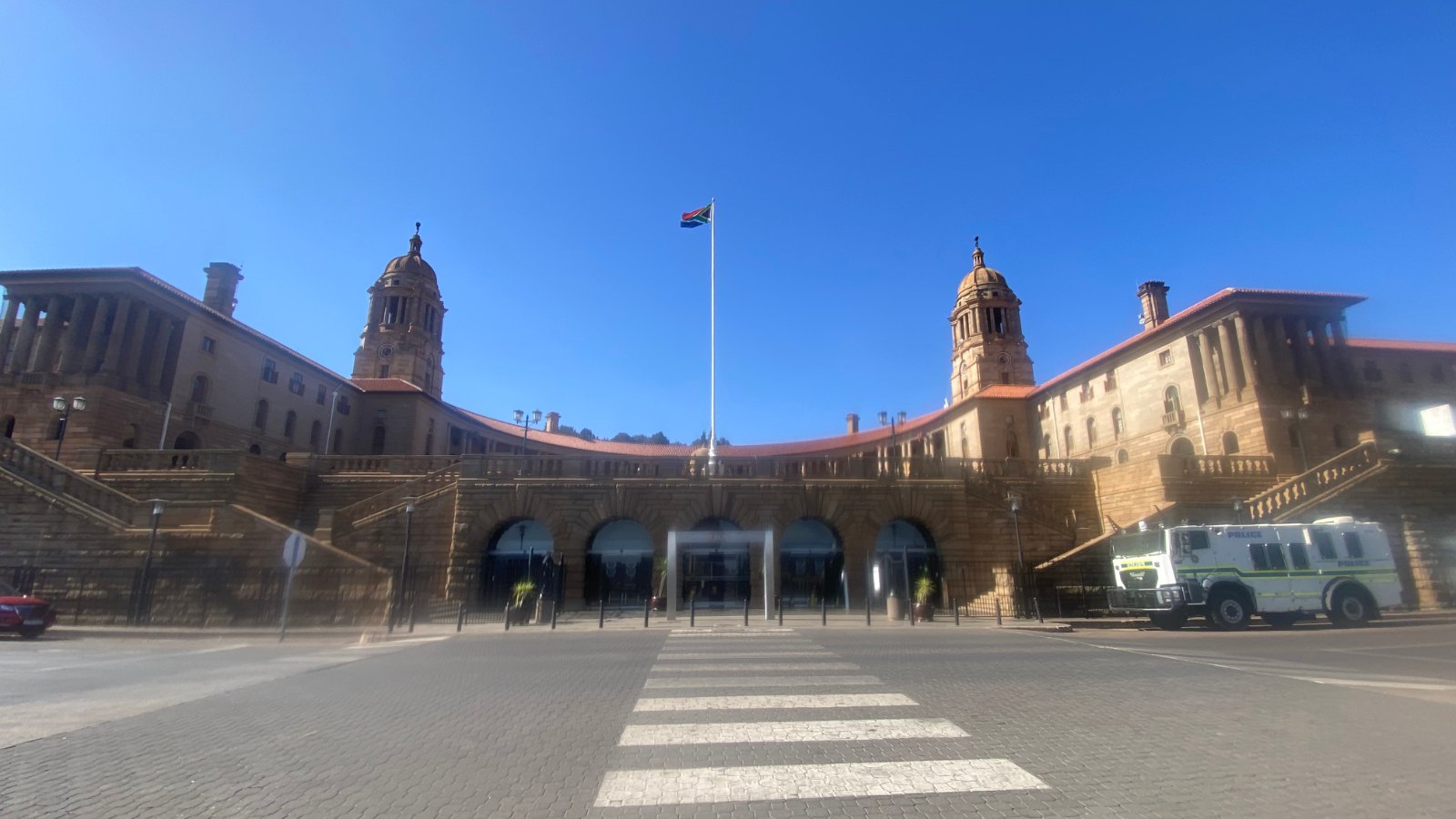
Jacob Zuma was pictured with a businessmen allegedly at the heart of a corruption scandal in South Africa
Why former presidents travel with the state attached
Retired heads of state usually keep something from the office: a pension, security, sometimes a diplomatic passport and the protocol that comes with it. That is why a private trip abroad is never entirely private. If a former leader is met as a dignitary, the country he used to run is implicated in whatever the meeting is about.
Proposals to require notification or clearance for such trips are an attempt to separate the person from the office, which is harder than it sounds once the passport is issued.
The context in South Africa
South Africa spent years examining, through a judicial commission, how state institutions and contracts were captured by private interests. Names from that inquiry still carry heavy political charge, and a photograph of a former president alongside a figure linked to it is treated as a statement rather than a coincidence.
Whether new rules follow will depend on whether they can be drafted without looking like a measure aimed at one man.
Why it reads familiar in Kenya
Kenya has had its own arguments about diplomatic passports, official travel and who is entitled to represent the state abroad, including recent disputes over which officials should surrender them. The underlying question is identical. What privileges follow a person out of office, and who supervises them.
It matters at ward level for one reason. Every privilege attached to a former officeholder is paid for out of the same budget as everything else.
What we are watching
Whether South Africa publishes an actual rule, what it requires, and whether comparable rules are proposed here.
Read the full report at BBC News
Source: BBC News