You are listening to Kibra News Network.
Fire Safety at Home: Practical Tips for Kenyan Households.
House fires can start in seconds and spread faster than most people expect, yet many are entirely preventable with a little planning and awareness. In densely built neighbourhoods, where homes often sit close together and share walls, a single blaze can put many families at risk. Taking fire safety seriously at home is one of the most practical ways to protect your loved ones and your property.
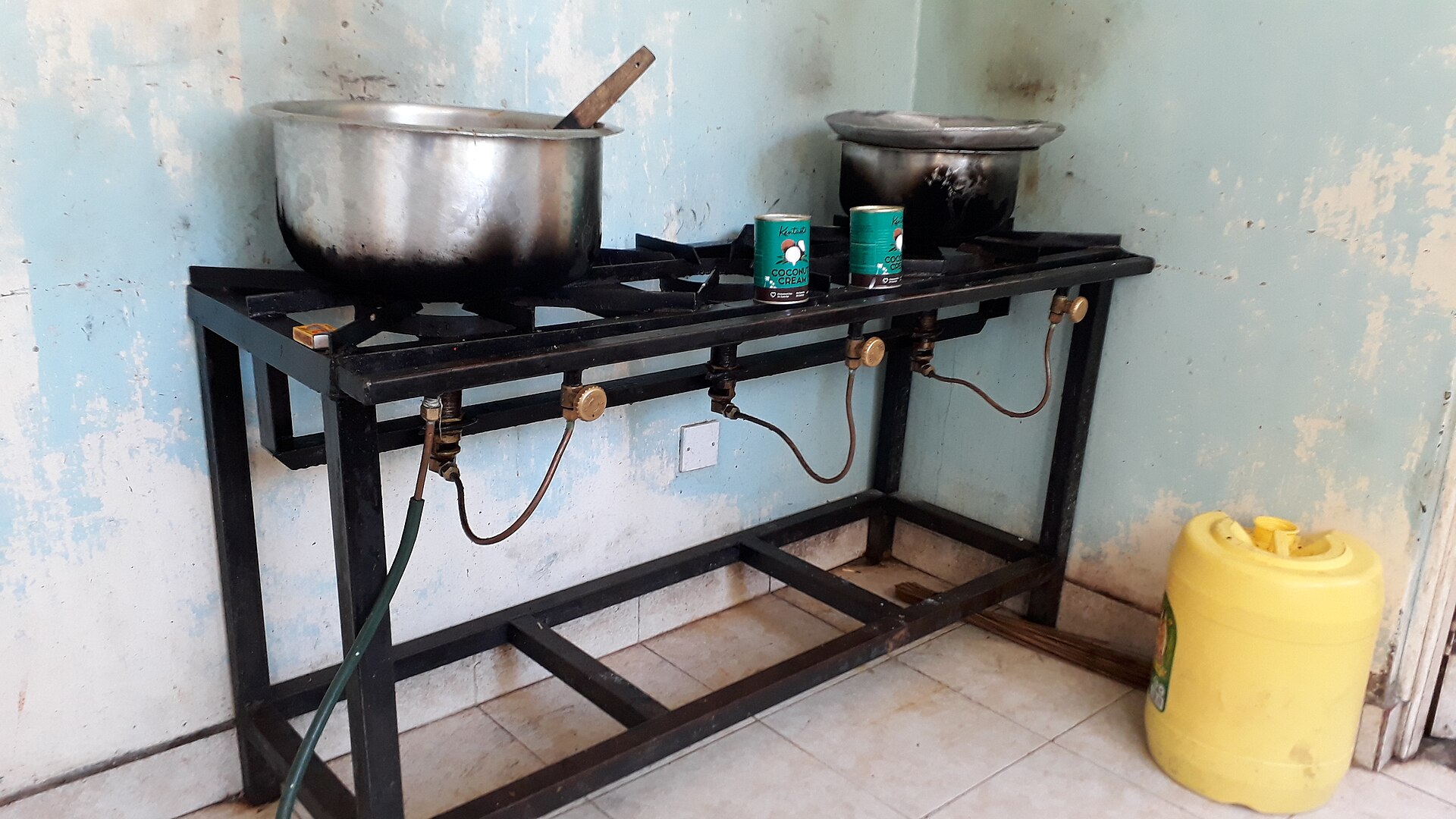
Most home fires begin in the kitchen, so that is where prevention matters most. Never leave cooking unattended, especially when using open flames or hot oil, and keep flammable items such as cloths, curtains and paper away from the stove. Turn off gas cylinders at the regulator when you finish cooking and check hoses and connections regularly for leaks. If you smell gas, do not switch on any electrical appliance or light a match; instead, turn off the supply, open windows and doors, and let the area ventilate.
Electrical faults are another leading cause of fires. Avoid overloading sockets and extension cords with too many appliances, and replace any cabling that is frayed, cracked or overheating. Switch off and unplug devices such as irons, heaters and phone chargers when they are not in use. Candles and paraffin lamps, still common in many homes, should be placed on stable surfaces well away from bedding and curtains and never left burning while you sleep or leave the house.
Preparation makes all the difference when seconds count. If you can, install a smoke alarm and test it regularly, and keep a basic fire extinguisher or even a bucket of sand or water within easy reach of the kitchen. Make sure everyone in the household knows at least two ways out of the home and agree on a meeting point outside. Keep exits and passages clear of clutter, and ensure that window grilles or security bars have a quick-release option so they do not trap people inside during an emergency.
If a fire does break out, act quickly but calmly. Get everyone out first, stay low to avoid smoke, and never go back inside for belongings. Once you are safely outside, call for help and alert your neighbours so they can evacuate too. Small fires can sometimes be smothered, but if flames spread beyond your control, leave immediately and let the fire service handle it. A few minutes spent preparing today can save lives when it matters most.
That was a Kibra News Network report, read by an A I voice.
House fires can start in seconds and spread faster than most people expect, yet many are entirely preventable with a little planning and awareness. In densely built neighbourhoods, where homes often sit close together and share walls, a single blaze can put many families at risk. Taking fire safety seriously at home is one of the most practical ways to protect your loved ones and your property.
Most home fires begin in the kitchen, so that is where prevention matters most. Never leave cooking unattended, especially when using open flames or hot oil, and keep flammable items such as cloths, curtains and paper away from the stove. Turn off gas cylinders at the regulator when you finish cooking and check hoses and connections regularly for leaks. If you smell gas, do not switch on any electrical appliance or light a match; instead, turn off the supply, open windows and doors, and let the area ventilate.
Electrical faults are another leading cause of fires. Avoid overloading sockets and extension cords with too many appliances, and replace any cabling that is frayed, cracked or overheating. Switch off and unplug devices such as irons, heaters and phone chargers when they are not in use. Candles and paraffin lamps, still common in many homes, should be placed on stable surfaces well away from bedding and curtains and never left burning while you sleep or leave the house.
Preparation makes all the difference when seconds count. If you can, install a smoke alarm and test it regularly, and keep a basic fire extinguisher or even a bucket of sand or water within easy reach of the kitchen. Make sure everyone in the household knows at least two ways out of the home and agree on a meeting point outside. Keep exits and passages clear of clutter, and ensure that window grilles or security bars have a quick-release option so they do not trap people inside during an emergency.
If a fire does break out, act quickly but calmly. Get everyone out first, stay low to avoid smoke, and never go back inside for belongings. Once you are safely outside, call for help and alert your neighbours so they can evacuate too. Small fires can sometimes be smothered, but if flames spread beyond your control, leave immediately and let the fire service handle it. A few minutes spent preparing today can save lives when it matters most.
KNN Newsroom is the staff byline for stories written, rewritten and edited at the Kibra News Network desk. Where a story credits an outside outlet, the original source is linked at the foot of the piece.